The Project has Significantly Supported Communities in identifying challenges and transitioning from crisis toward resilience,” the branch office said.
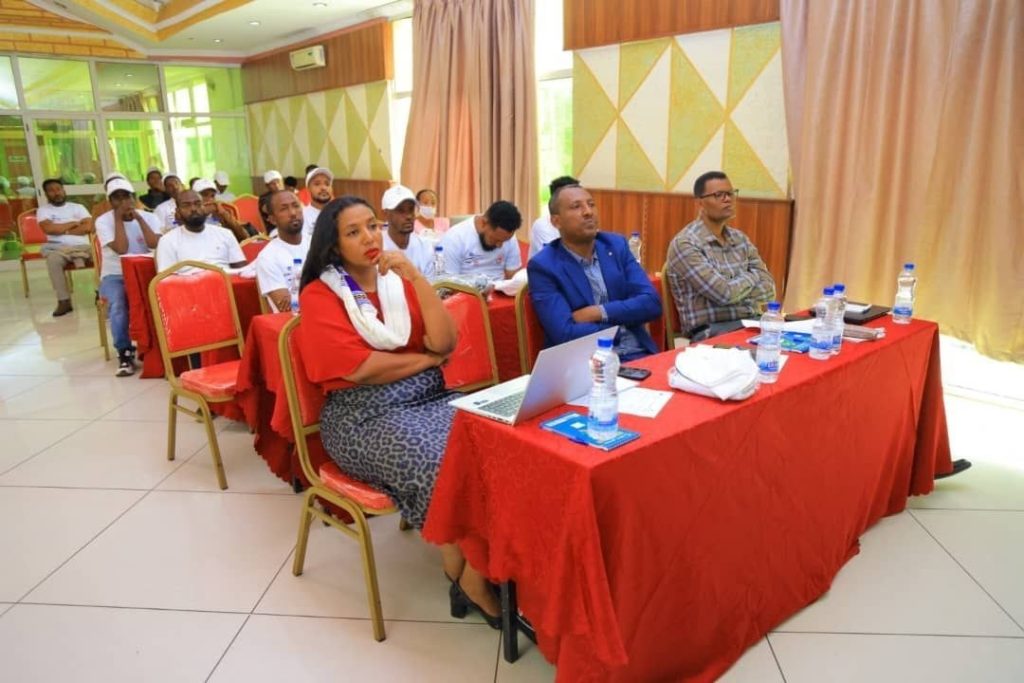
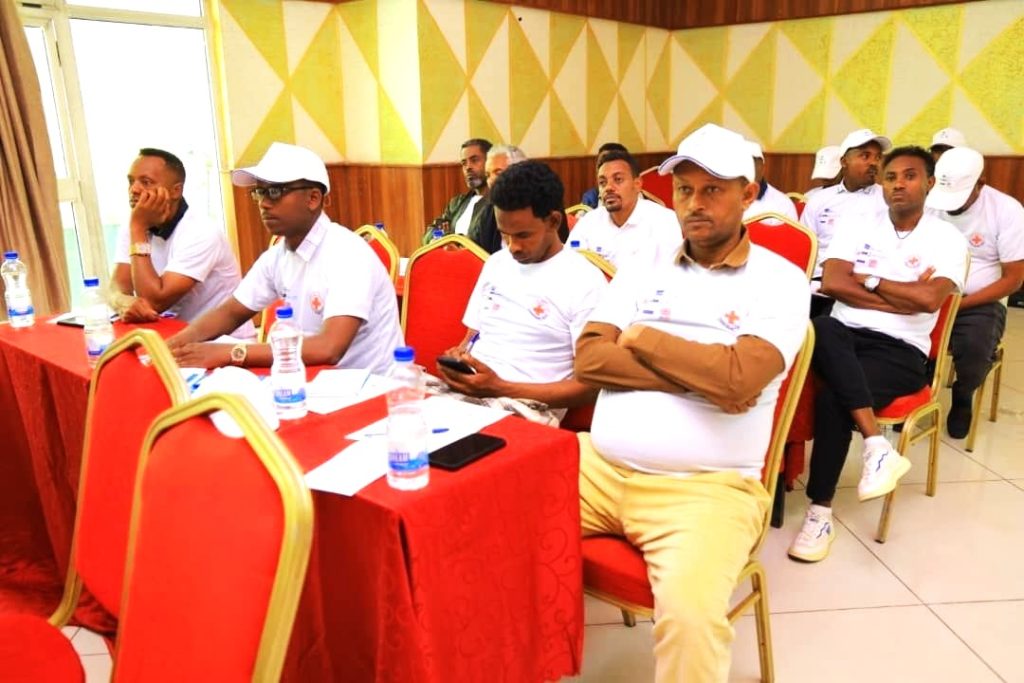
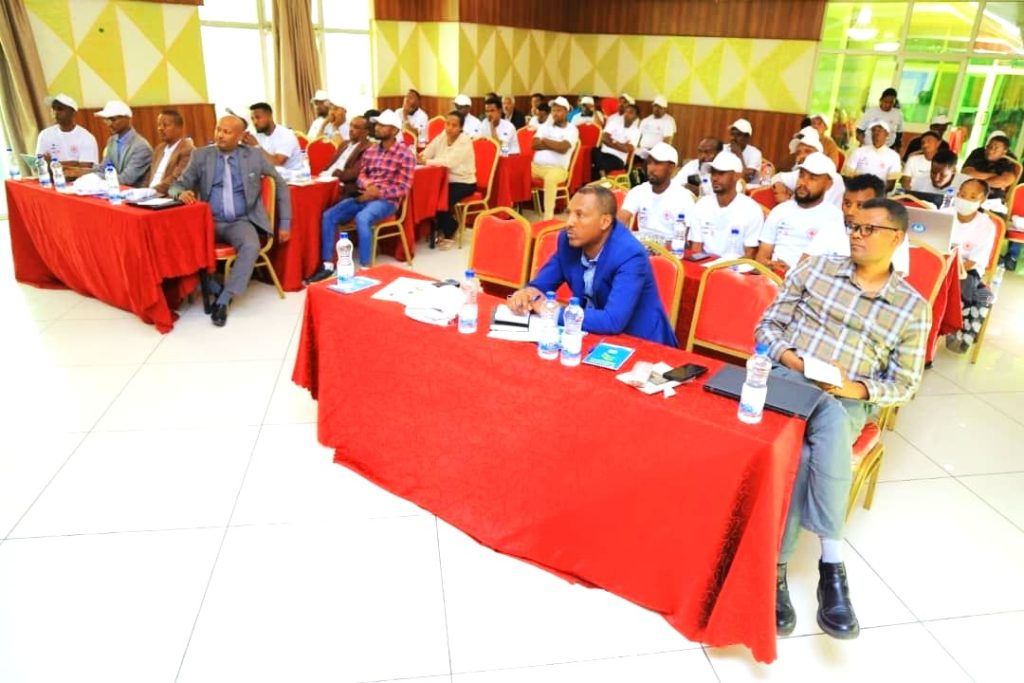
The Ethiopia Crises to Resilience (EC2R) Project Phase III, established in response to the northern crisis to deliver humanitarian assistance, successfully conducted an Exit Workshop that brought together key stakeholders, partners, and project participants.
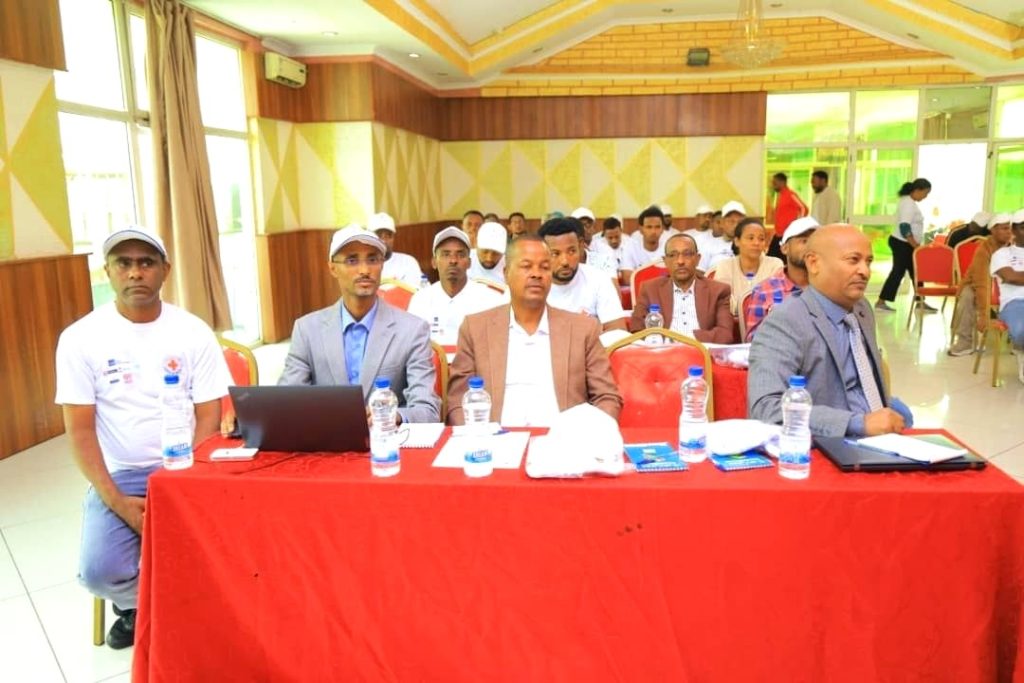
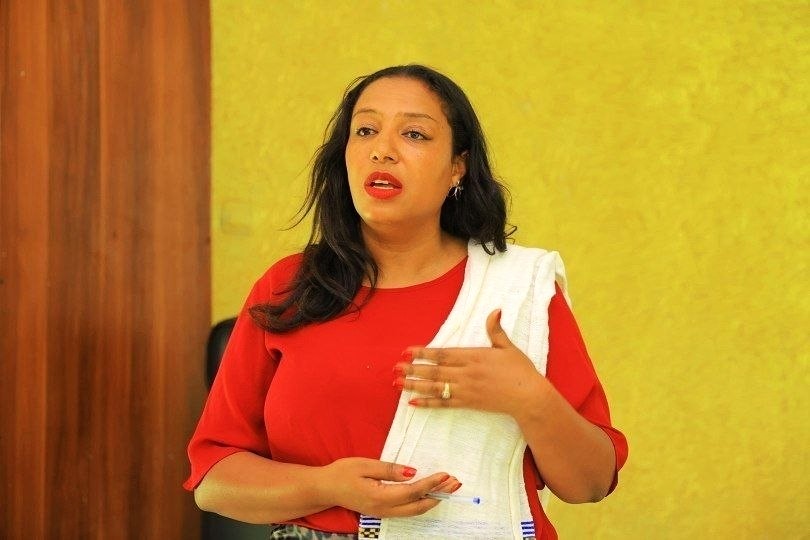
Opening the workshop officially, Ato Shambel Walle, Head of ERCS Amhara Regional Branch emphasized the importance of sustaining the positive results achieved through the project, strengthening community-level resilience, and scaling up best practices and successful interventions to other woredas and kebeles.
Discussions highlighted the program’s tangible impact across the health, WASH, hygiene, and education sectors. Key achievements included strengthening the health system through capacity building, ambulance services, improved referral linkages, zero-dose child identification, vaccination linkage, adult and pediatric consultations, health message broadcasting, IEC material distribution, and community feedback mechanisms.
In the WASH sector, progress included rehabilitation of non-functional water systems, hand pump repairs, water pipeline extensions, and installation of new treatment and distribution points. Sanitation improvements included gender-segregated and disability-friendly institutional latrines, as well as menstrual hygiene management facilities and dedicated rooms for girls.
Additionally, multipurpose cash assistance totaling 225,480,000 ETB was provided to 20,848 households, helping vulnerable communities meet essential needs and strengthen resilience.
Project Coordinator Ato Habtemariam Abate noted that pharmaceuticals and medical equipment reduced referral cases by improving local services, while ambulance services helped lower maternal and child mortality through timely emergency responses. Medical consultations strengthened health worker capacity and expanded access to skilled care. Water interventions reduced collection time to about 30 minutes, while solarized systems lowered fuel costs and improved sustainability. Menstrual hygiene facilities and dignity kits also helped reduce girls’ school absenteeism.
Discussions on the sustainability of project activities confirmed that most interventions have been well accepted by the government and communities, demonstrating strong ownership and a high likelihood of continuation and scale-up. Moreover, the EC2R project has made significant contributions to strengthening community resilience.
We Live for Humanity!