“ERCS is implementing a wide range of initiatives to build resilient communities capable of withstanding disasters,”
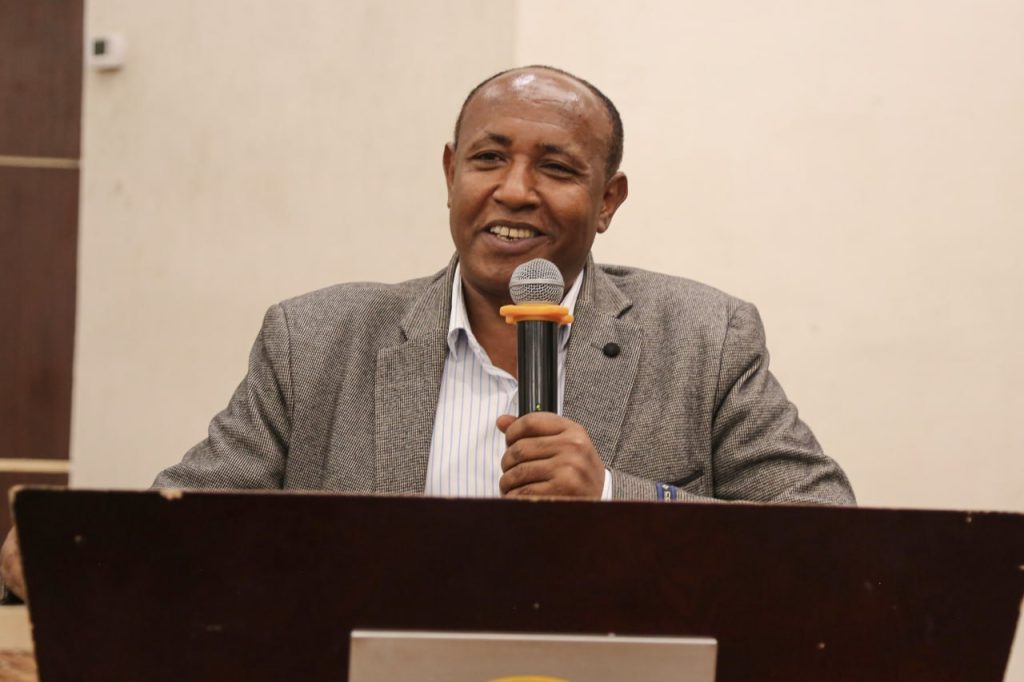
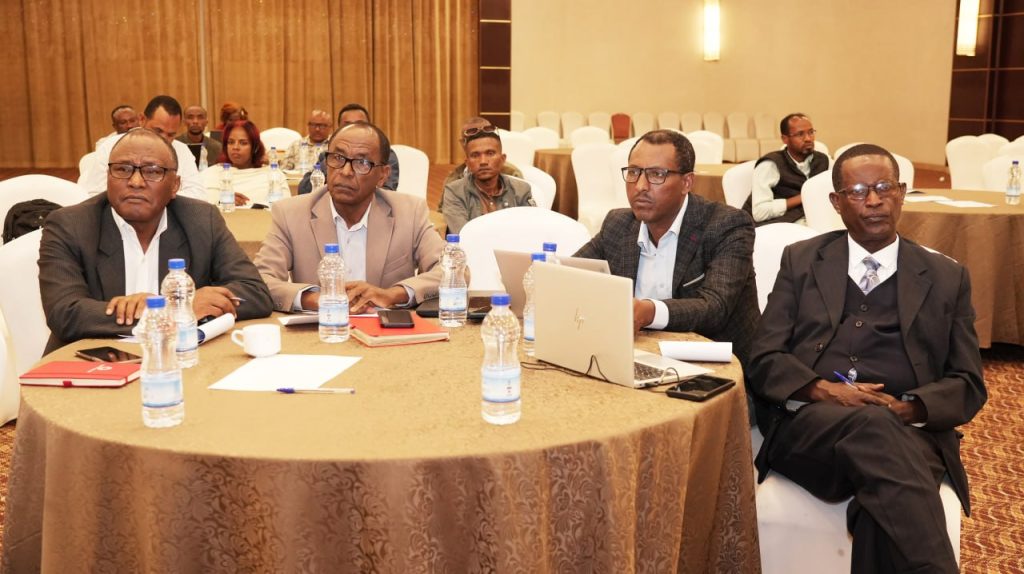
The Ethiopian Red Cross Society (ERCS), in collaboration with the Ethiopian Disaster Risk Management Commission (EDRMC), conducted a Training of Trainers (ToT) on the country’s Disaster Risk Management (DRM) policy, legal framework, and humanitarian assistance self-reliance initiative in Addis Ababa from April 20–21, 2026.
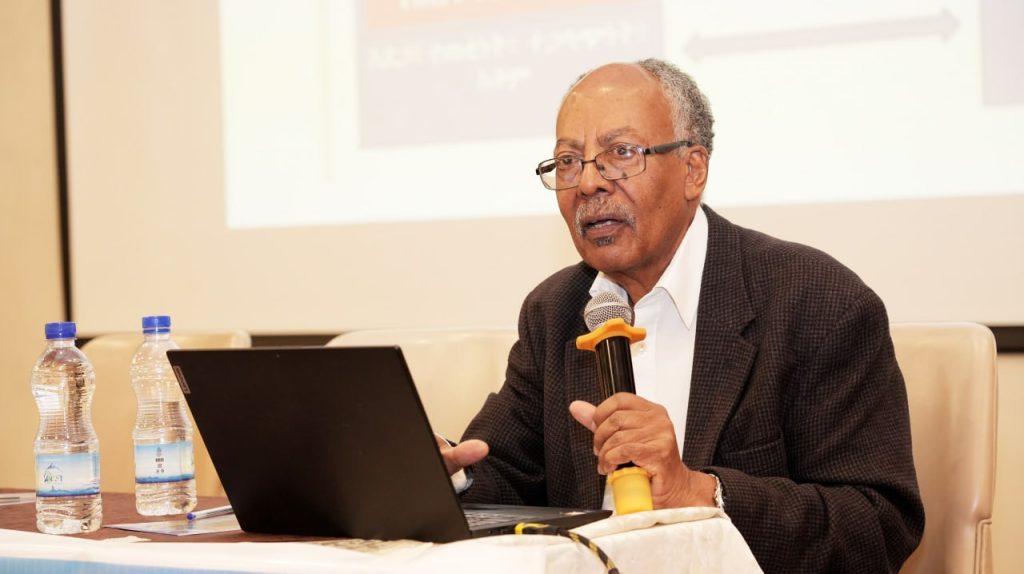
According to information shared during the forum, the training aimed to enhance awareness among ERCS management and staff regarding the new Disaster Risk Management Policy, Proclamation No. 1386/2025, and the Commission’s humanitarian assistance self-reliance initiative.
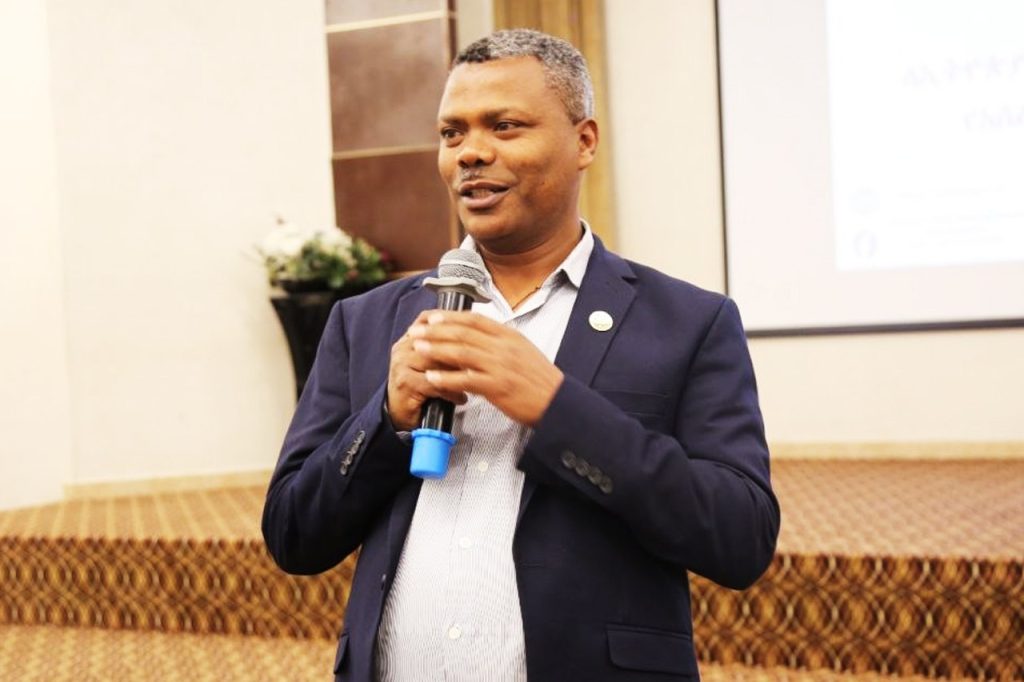
Opening the training, ERCS Director of Disaster Preparedness and Response, Ato Mohamed Dada, noted that beyond its well-known emergency life-saving interventions, the Society is actively collaborating with the Commission on a range of development, early warning, and forecast-based disaster risk reduction initiatives aimed at strengthening the resilience of vulnerable communities.
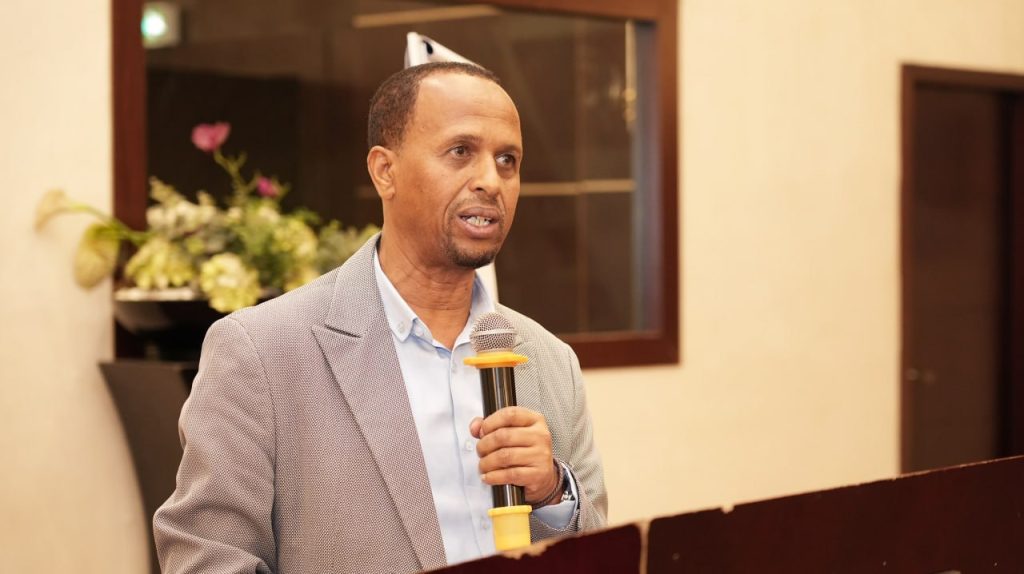
Deputy Commissioner of the Ethiopian Disaster Risk Management Commission, Ato Nesibu Yasin, stated that the forum was designed to build a common understanding of nationally identified disaster risk areas, strengthen collaboration between the two institutions, and ensure that the knowledge and experience gained during the training guide future joint efforts.
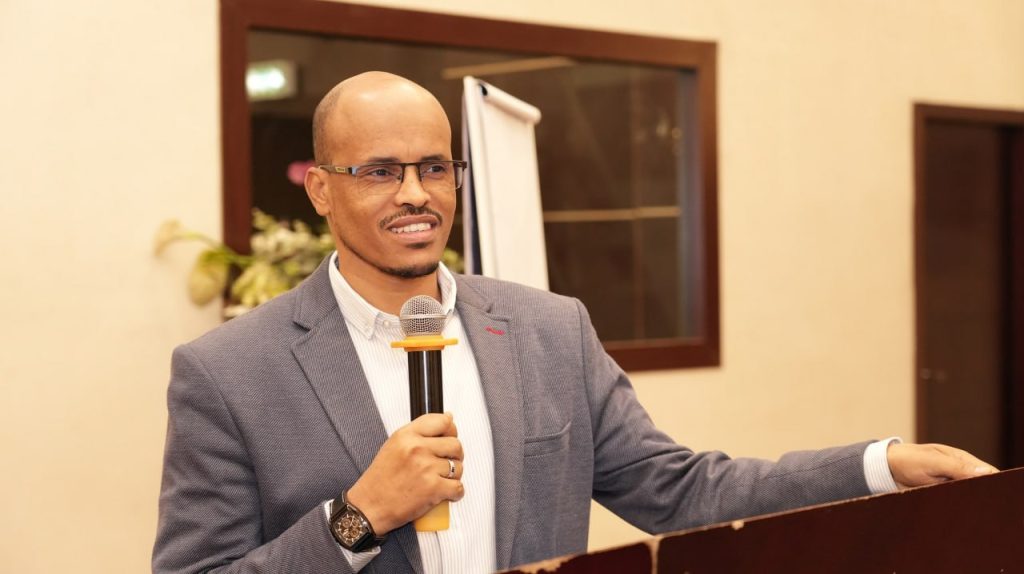
He further explained that the new proclamation clearly defines the roles and responsibilities of the Ethiopian Red Cross Society within the country’s disaster risk management system. He emphasized that the training platform would help the Society better understand its mandated responsibilities, its working relationship with the Commission during implementation, and the expected areas of engagement.
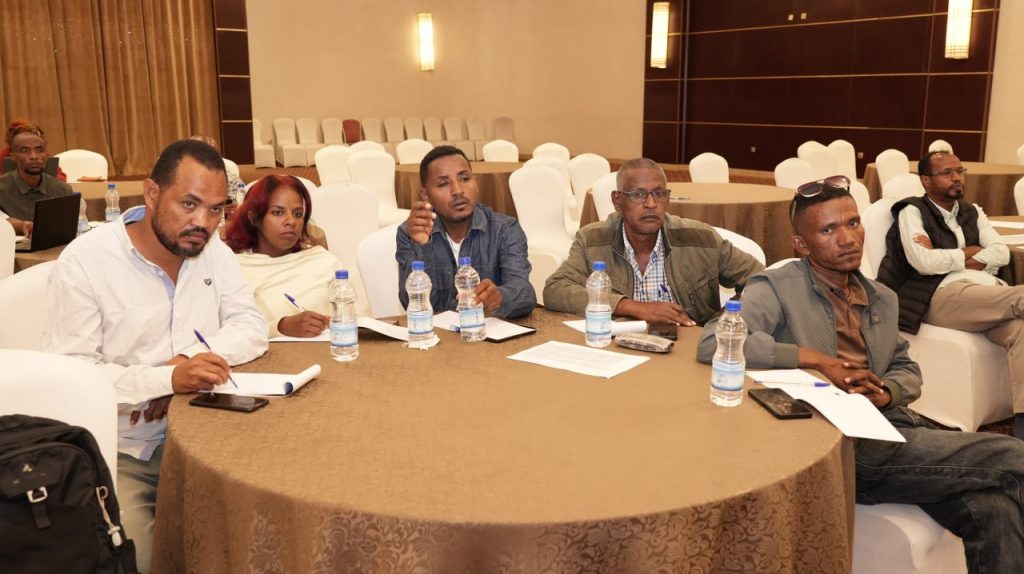
During the training, participants received presentations on Ethiopia’s disaster risk management policy and legal framework landscape, as well as the humanitarian assistance self-reliance initiative. Discussions were also held with participants, who later developed demonstration disaster risk management action plans applicable to different parts of the country.
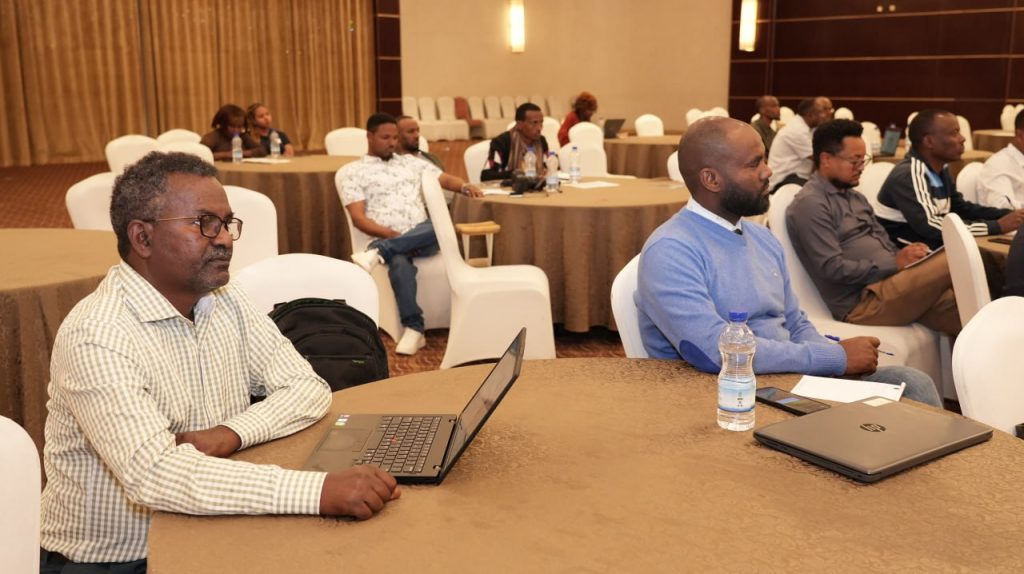
In his closing remarks, ERCS Deputy Secretary General for Programs, Ato Dires Desyibelew, stated that alongside its humanitarian assistance operations, the Society is implementing a wide range of initiatives aimed at building resilient communities capable of withstanding disasters. He underscored the importance of further strengthening the Society’s community-based structure to support national resilience-building efforts.
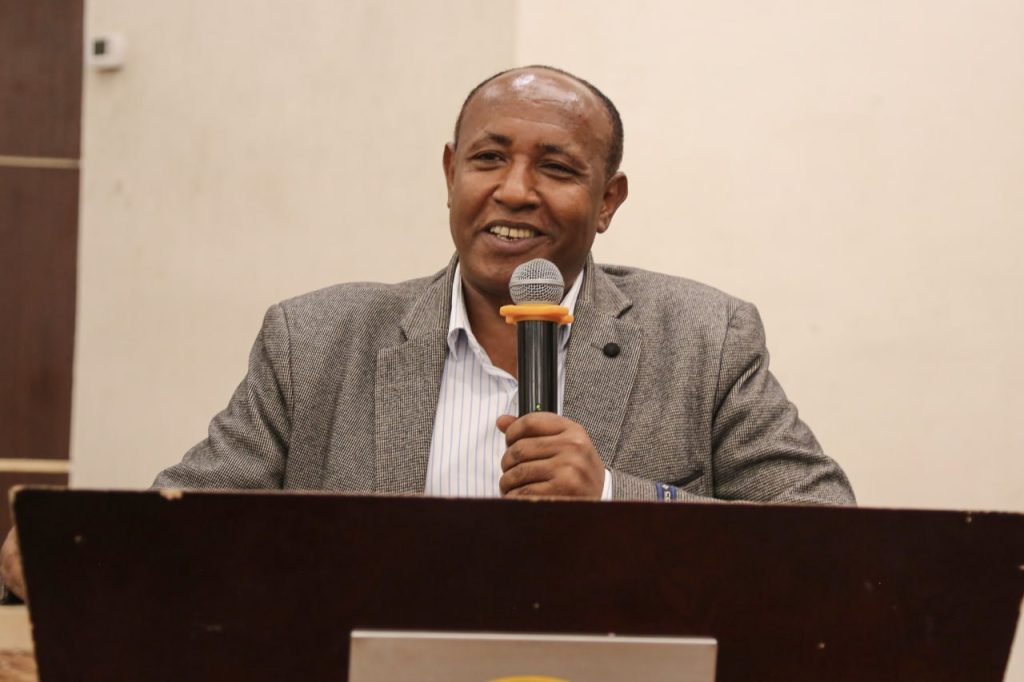
Ato Dires also highlighted the need to establish a shared understanding and common vision across all levels of the Society’s structure regarding the DRM policy framework. He stressed that such understanding should extend beyond the Society’s internal structure to include national and international partners working collaboratively in the humanitarian sector.
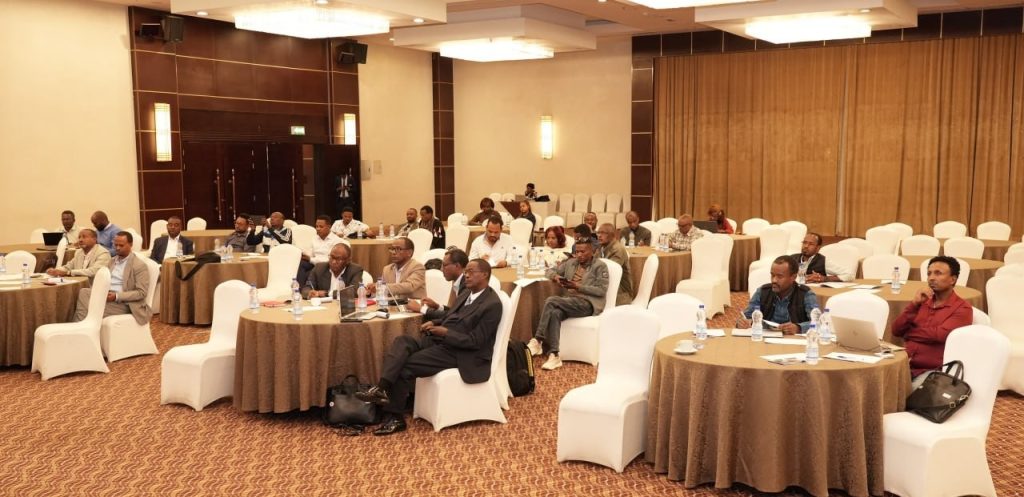
Expressing his appreciation to the Commission, Ato Dires thanked the institution for initiating and organizing the training, assigning technical experts, and creating an opportunity for ERCS leadership and staff to participate. He reaffirmed the Society’s commitment to actively fulfilling its role within the National Disaster Risk Management Council and implementing the agreed strategic directions.
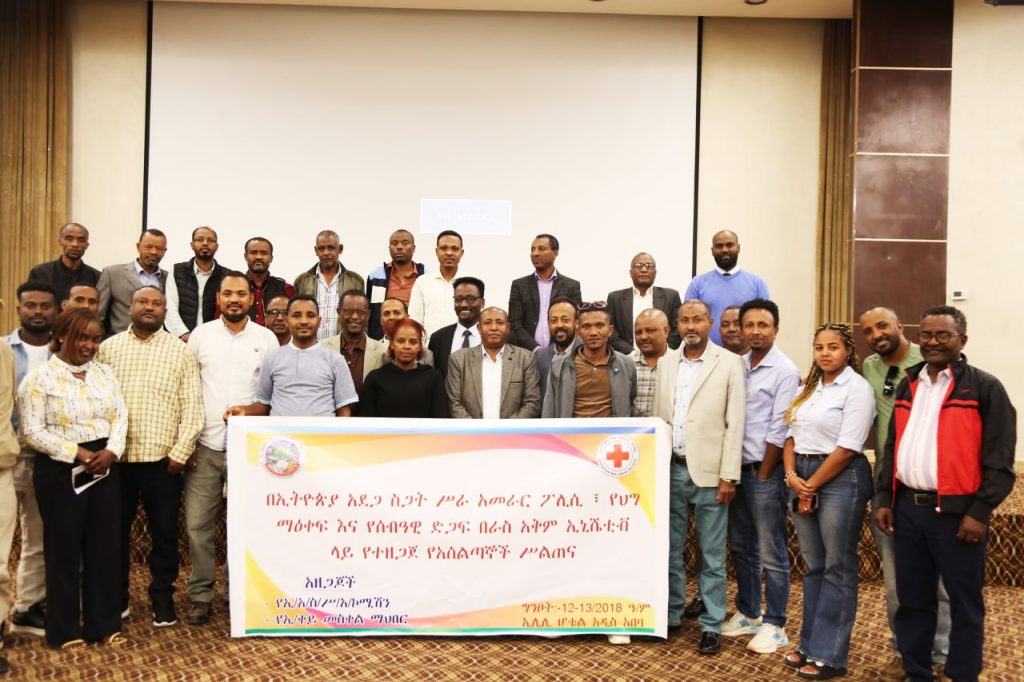
The Ethiopian Red Cross Society is a member of the National Disaster Risk Management Council in accordance with Proclamation No. 1386/2025.
We Live for Humanity!