ERCS Launches ECHO 2026 Project with a total budget of more than €1.7 million
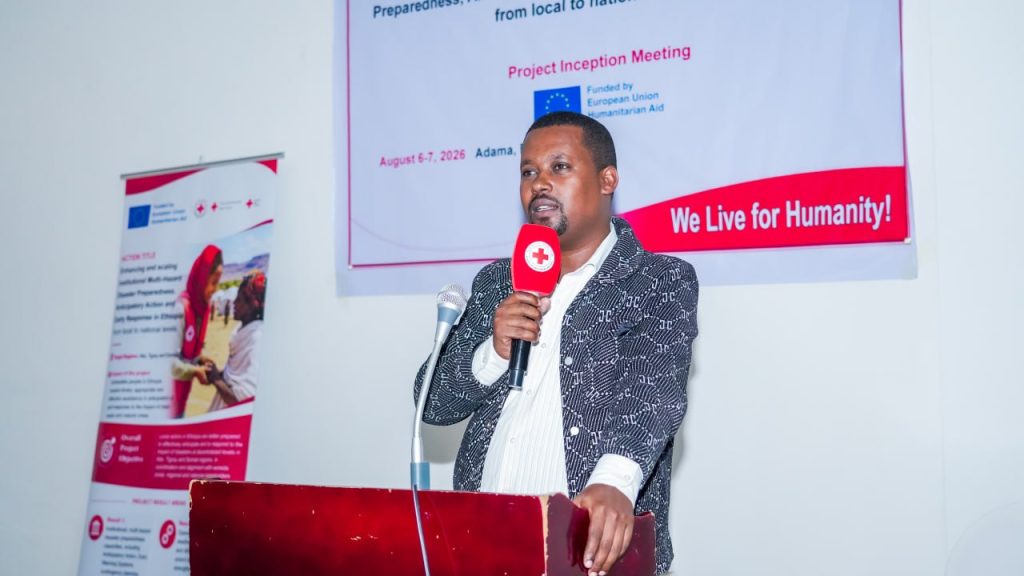

The Ethiopian Red Cross Society (ERCS), in partnership with the Netherlands Red Cross and the Danish Red Cross and with funding from the European Union Humanitarian Aid, has officially launched the ECHO 2026 Project during a two-day project inception meeting in Adama City The project, with a total budget of more than €1.7 million, aims to strengthen anticipatory action, early warning systems, and community resilience in disaster-prone areas of Ethiopia.
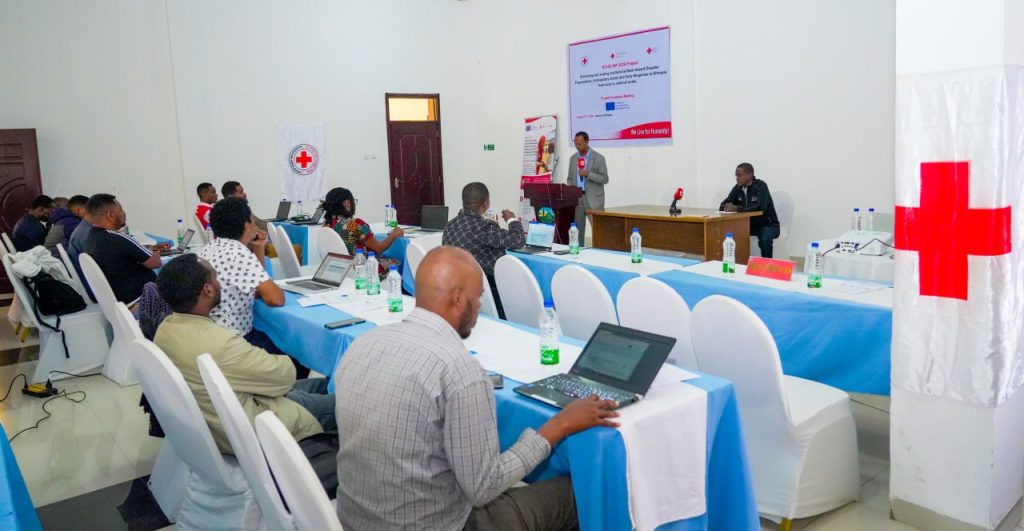
Bringing together ERCS senior management and project teams, representatives of regional branches, the Netherlands Red Cross (NLRC), the Danish Red Cross (DRC), the Ethiopian Disaster Risk Management Commission (EDRMC), and other partners the Project inception Meeting aims to establish a common understanding among all stakeholders on the project’s scope, objectives, implementation approach, roles, and coordination mechanisms, exit strategy, ensuring a coherent and effective start of the action.

Welcoming participants, Dr. Firaol Bekele, Lead Executive of the Early Warning and Coordination Center at the Ethiopian Disaster Risk Management Commission (EDRMC), said the ECHO 2026 project is well aligned with the Commission’s national priorities for disaster risk management and anticipatory action. He welcomed the initiative, noting that it will support the Government’s efforts to strengthen early warning systems.
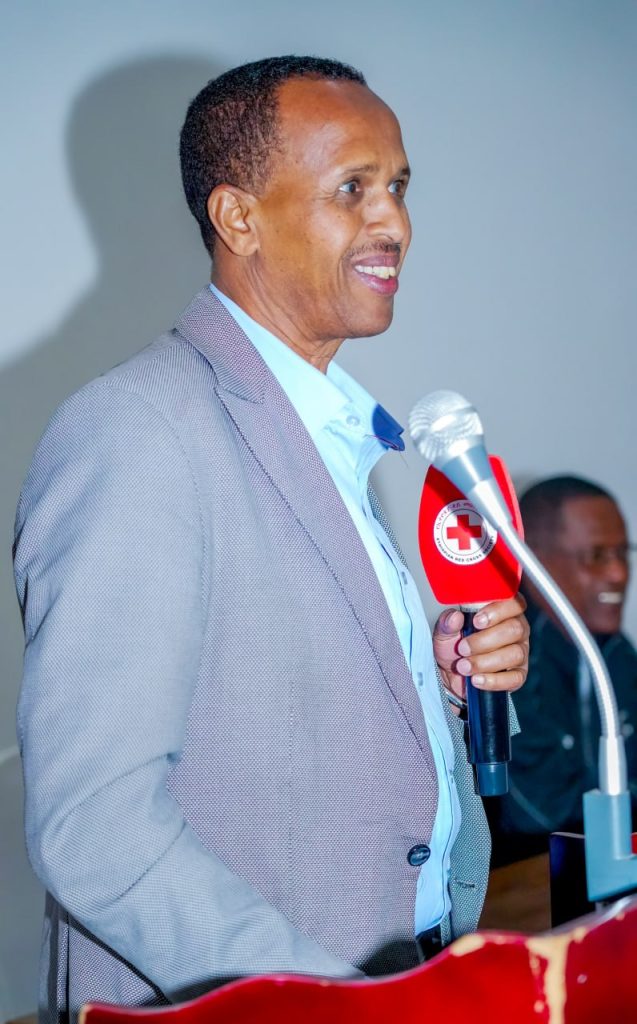
Ato Mohammed Dada, Director of the Disaster Preparedness and Response Department at the Ethiopian Red Cross Society (ERCS), in his opening remarks, noted that the ECHO 2026 project builds on the lessons learned from the ECHO HIP 2024 program and scales up anticipatory action from the local to the national level, in line with Ethiopia’s National Multi-Hazard Early Warning and Early Action Roadmap (2023–2030).

Leila Kibet, Project Management Delegate at the Netherlands Red Cross, explained that the ECHO 2026 project builds on the achievements of ECHO 2024 and marks the second phase of the initiative. She noted that while ECHO 2024 covered only three woredas in Tigray, Afar, and the Somali Regions, ECHO 2026 has significantly expanded its scope to 11 woredas.
Leila emphasized that the new phase is more ambitious, with a stronger focus on strengthening community-based early warning systems, and the project will build on the lessons learned from ECHO 2024 and will rely on stronger partnerships.

Representing the Danish Red Cross, Sammy Mbuguah expressed confidence that the ECHO 2026 project will further strengthen collaboration among partners and create opportunities to combine efforts in building resilient communities that are better prepared for future shocks and disasters.
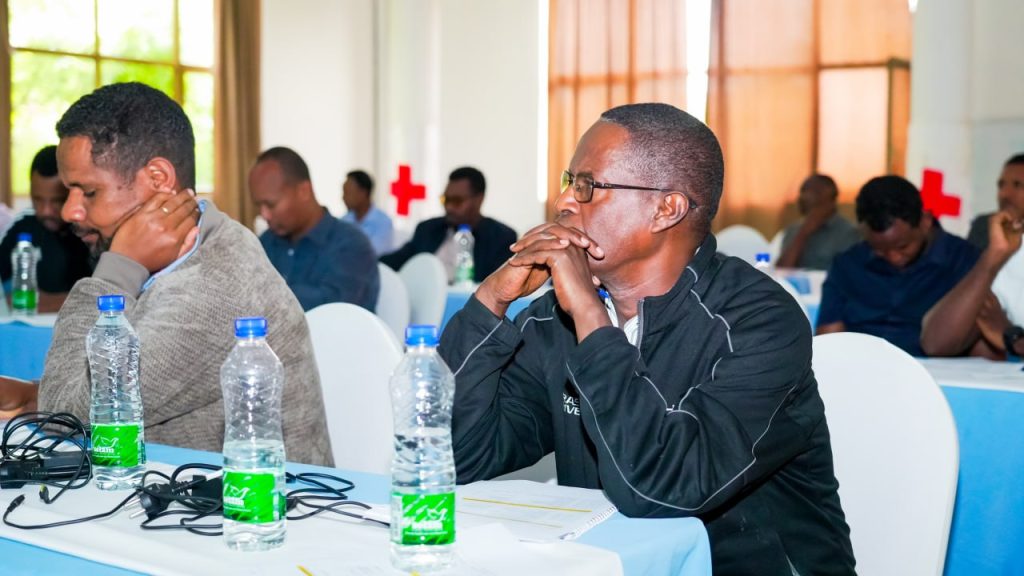
The Project Inception Meeting featured plenary presentations to build a shared understanding of the project’s objectives and implementation approach, focused breakout discussions that allowed participants to explore technical components in greater depth, and interactive sessions designed to strengthen understanding of compliance requirements, coordination mechanisms, and partner roles.

We Live for Humanity!