The Society Highlights the Importance of Transformative Leadership at the African National Societies Leadership Consultation Meeting
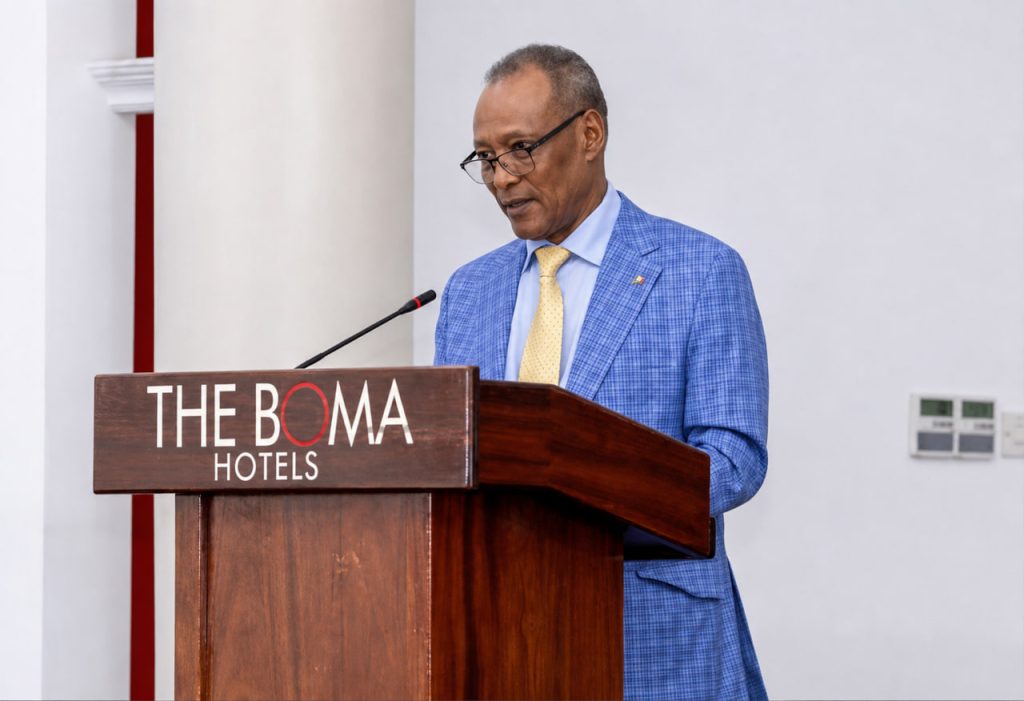
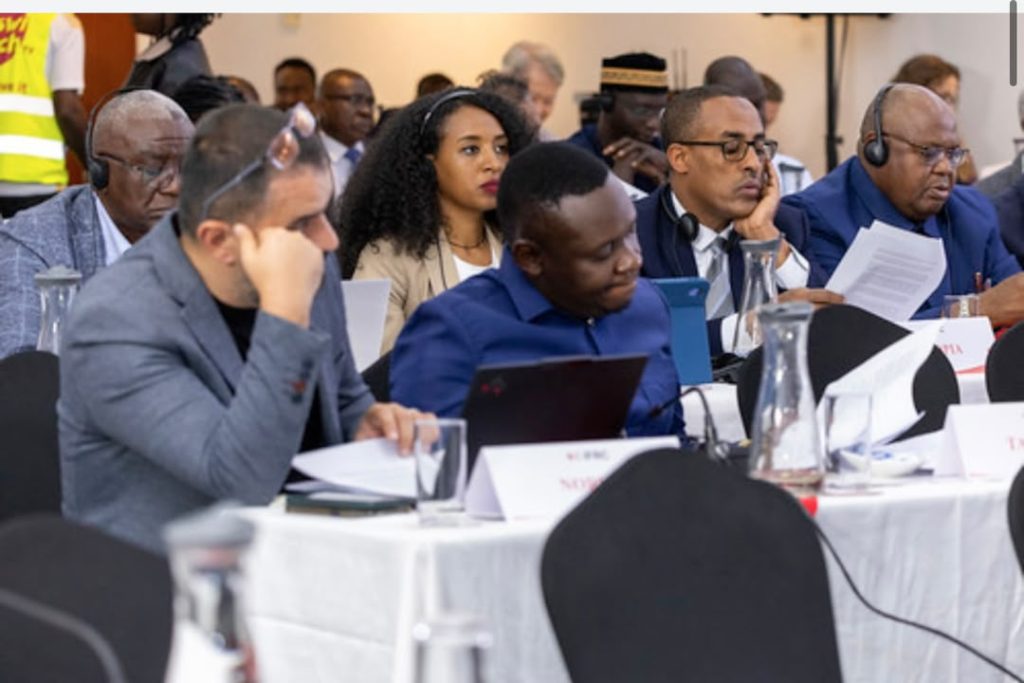
The General Consultation Meeting of Presidents and Secretaries General of African Red Cross and Red Crescent National Societies was held from 03–05 August 2026 in Nairobi, Kenya. The meeting brought together leaders of National Societies, the International Federation of Red Cross and Red Crescent Societies (IFRC), the International Committee of the Red Cross (ICRC), and partner organizations to discuss the current state of the Red Cross and Red Crescent Movement in Africa and develop a common direction to strengthen a more robust, self-reliant, and locally led humanitarian response.
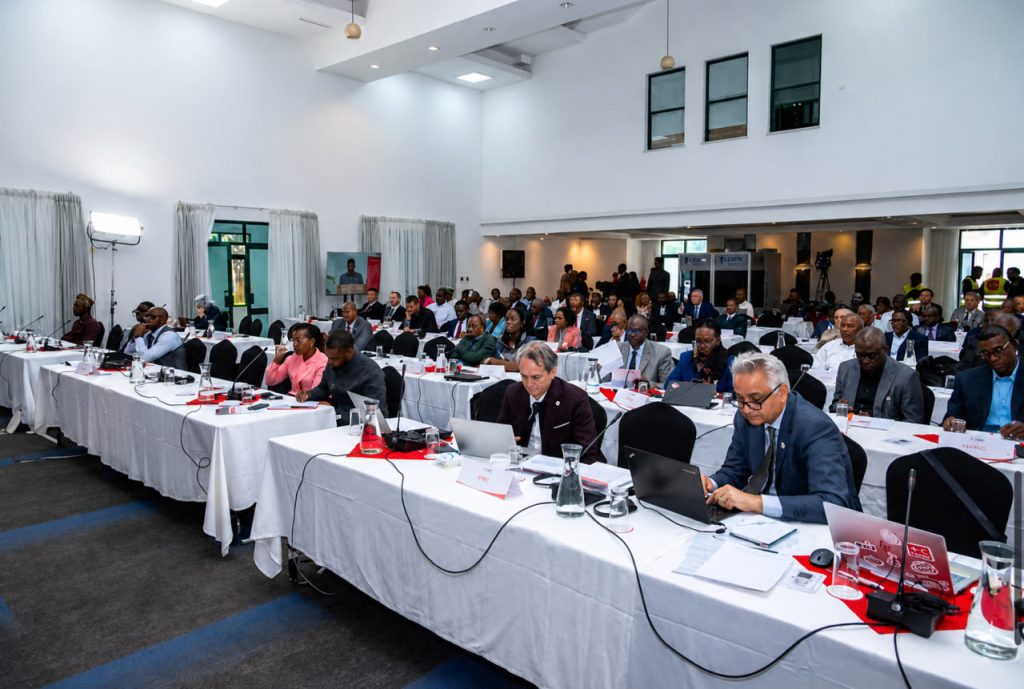
Key issues discussed during the meeting included strengthening self-reliance by bringing resources and decision-making closer to communities, revitalizing volunteer systems, strengthening collaboration among African National Societies, securing sustainable sources of funding, improving leadership quality, and promoting inclusive, change-oriented leadership.
Particular emphasis was placed on transformative leadership as a critical driver of institutional growth, innovation, effective management, and the preparation of the next generation of leaders. In this discussion, the Ethiopian Red Cross Society (ERCS) played a prominent role by sharing its own experience of institutional transformation with other African National Societies.
Representing the Ethiopian Red Cross Society, its President, Mr. Abera Tola, called on National Societies to reflect on whether they are making sufficient investment in leadership quality. He emphasized that leadership shapes institutional culture and that the mindset, behavior, and decisions of leaders have a direct impact on organizational performance, staff confidence, and the institution’s future vision.
Based on the experience shared by the Society, transformative leadership requires creating a shared institutional vision, driving change, strengthening accountability, promoting innovation, empowering human resources, and building sustainable institutions. Leadership, therefore, should go beyond managing existing structures and enable institutions to adapt to rapidly changing humanitarian contexts.
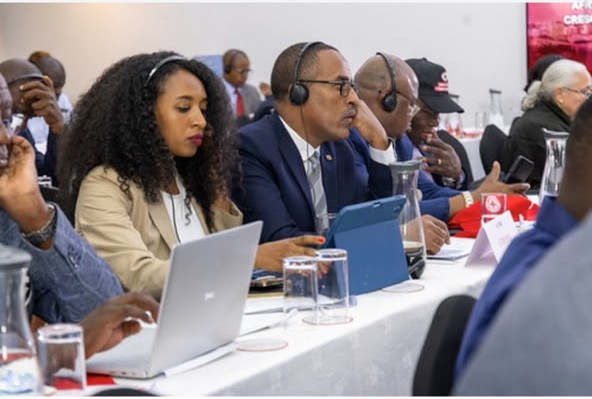
The experience of the Ethiopian Red Cross Society has particularly demonstrated that listening to the voices of communities, volunteers, staff, government, donors, private-sector partners, and people receiving humanitarian assistance is critical to institutional transformation and accountability. Inputs and feedback from diverse stakeholders have helped the Society improve its programmes, strengthen accountability, and provide more appropriate responses to the needs of communities.
Furthermore, the Society views its institutional experience as a strategic asset and has emphasized the importance of preserving and transferring the knowledge accumulated by experienced staff and long-serving volunteers to the next generation.
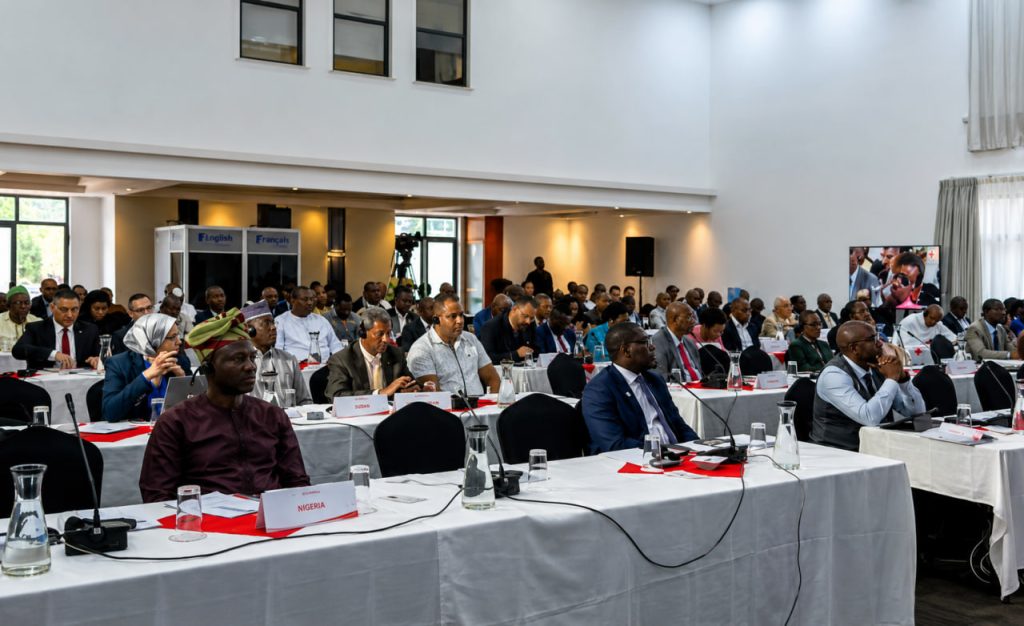
The Society’s experience in institutional transformation has demonstrated that the expansion of humanitarian programmes, increased institutional revenue, reaching more people in need, building strong partnerships, expanding investment opportunities, and strengthening stakeholder confidence can be achieved through quality-driven leadership.
The Nairobi consultation concluded with a shared commitment among African National Societies to strengthen self-reliance, sustainable financing, transformative leadership, and African solidarity. The experience shared by the Ethiopian Red Cross Society at the forum made a valuable contribution by demonstrating the direct role of transformative leadership in institutional growth, sustainability, and enhancing humanitarian impact across African National Societies.
We Live for Humanity!