ERCS and ICRC Strengthen the Safety and Operational Capacity of Frontline Ambulance Teams in Amhara
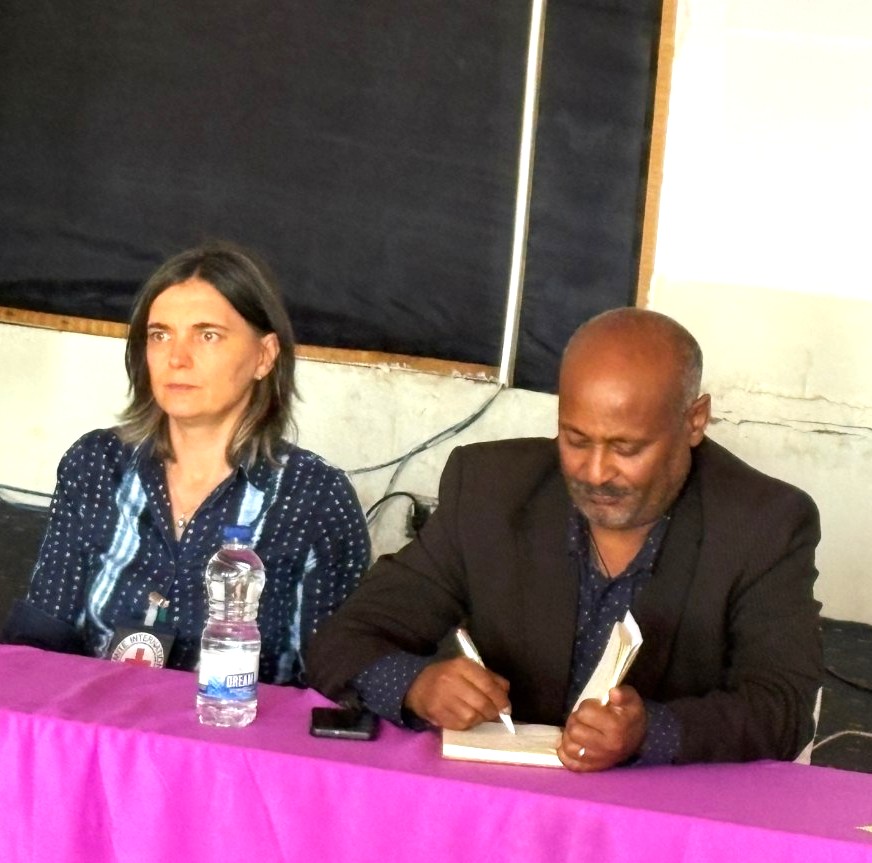
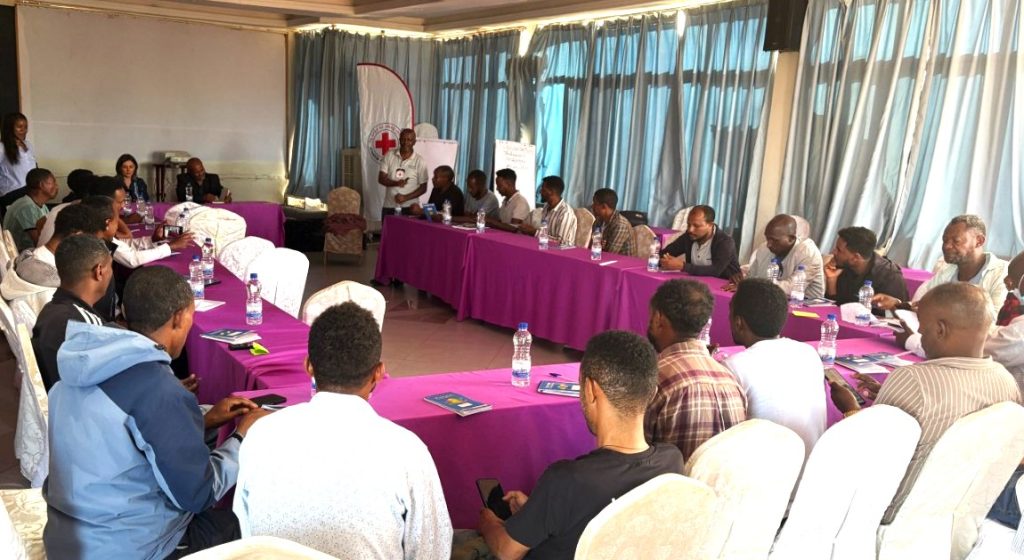
The Ethiopian Red Cross Society (ERCS) Amhara Regional Branch, in collaboration with the International Committee of the Red Cross (ICRC), conducted a three-day integrated capacity-building training for ambulance drivers and attendants in Bahir Dar from October 27 to 29, 2026.
The training brought together 28 ambulance drivers and attendants from five zonal branches: west gojam, East Gojam, Awi national zone, Bahirdar and north Gojam and south Gonder. The training covered four modules RCRC identity and fundamental principles, safer access framework (SAF), operational communication and humanitarian safety and security. The training was delivered by 3 trainers from ERCS and 3trainers from ICRC.
Opening the training, Ato Shambel Walle, Head of the ERCS Amhara Regional Branch, highlighted the importance of strengthening the safety and operational capacity of frontline ambulance crews. He noted the serious risks they face while carrying out their duties, including violent attacks, abductions, and loss of life, and emphasized the need to equip them with essential security, communication, and risk-mitigation
skills.
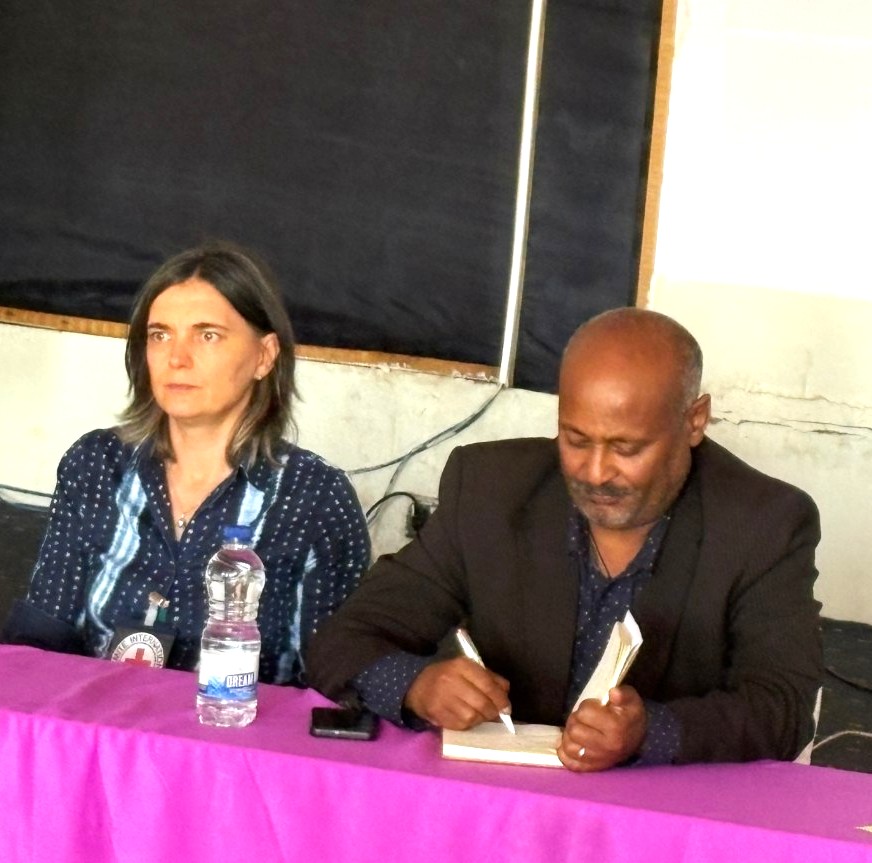
Ms. Sabrina, Head of the ICRC Sub-Delegation, expressed appreciation for the dedication of ambulance drivers and attendants and reaffirmed the ICRC’s commitment to safeguarding emergency medical operations. Mr. Steven Anderson, ICRC Communication Coordinator, also emphasized the importance of maintaining neutral, independent, and secure operational practices to protect emergency responders and ensure humanitarian access.
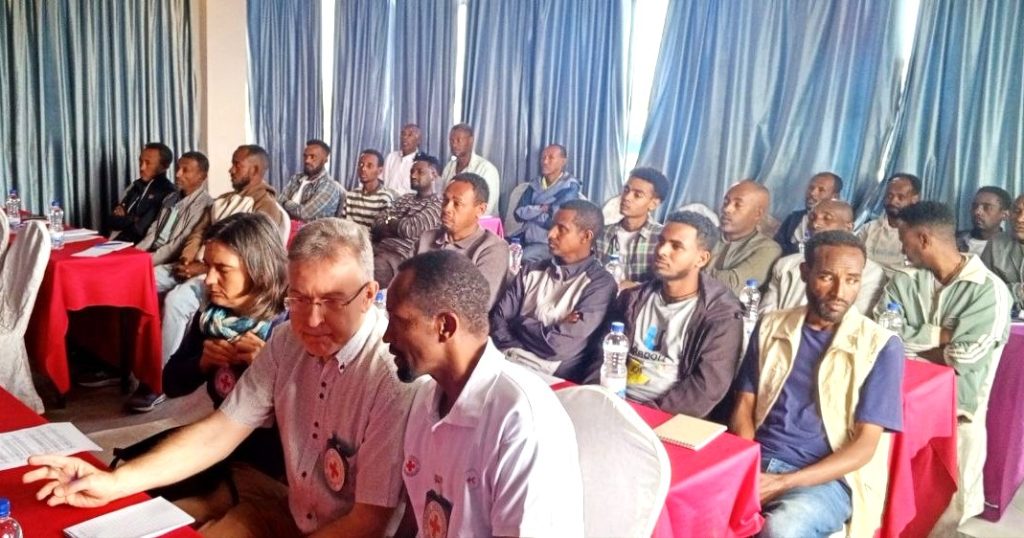
Participants discussed key field challenges, including navigating active conflict areas, checkpoint delays, abduction threats, preserving the protective neutrality of the Red Cross emblem, and managing the psychological impact of high-risk missions. The sessions also reinforced the importance of ensuring that medical facilities and ambulances remain neutral spaces dedicated exclusively to medical care and are never misused for military purposes.
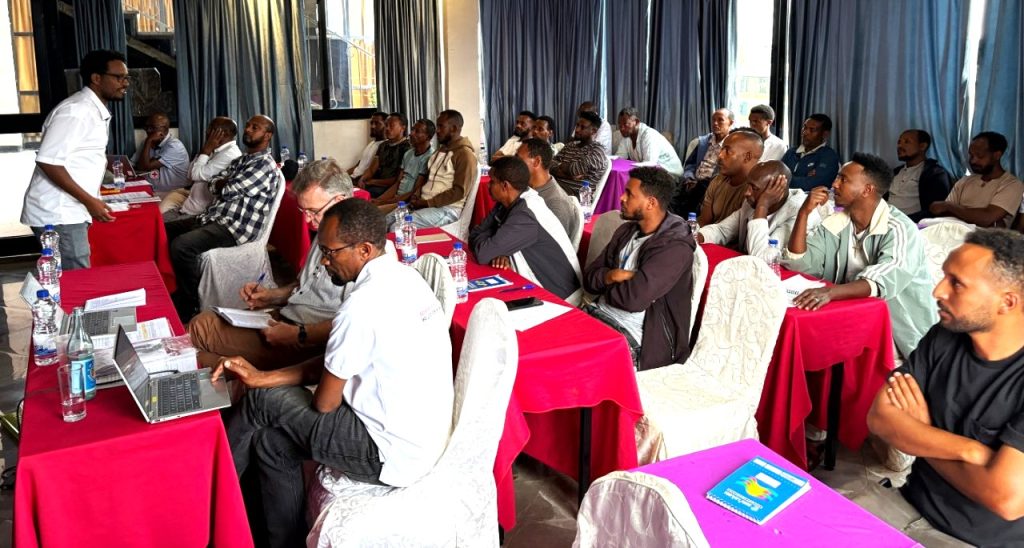
The training is expected to strengthen the safety, operational readiness, and resilience of frontline ambulance teams. Key outcomes and recommendations included enhancing risk assessment skills, improving emergency response protocols, and standardizing field safety procedures. Participants’ feedback and proposed follow-up actions included conducting regular refresher training sessions, expanding safety equipment distribution, and establishing stronger local coordination mechanisms.
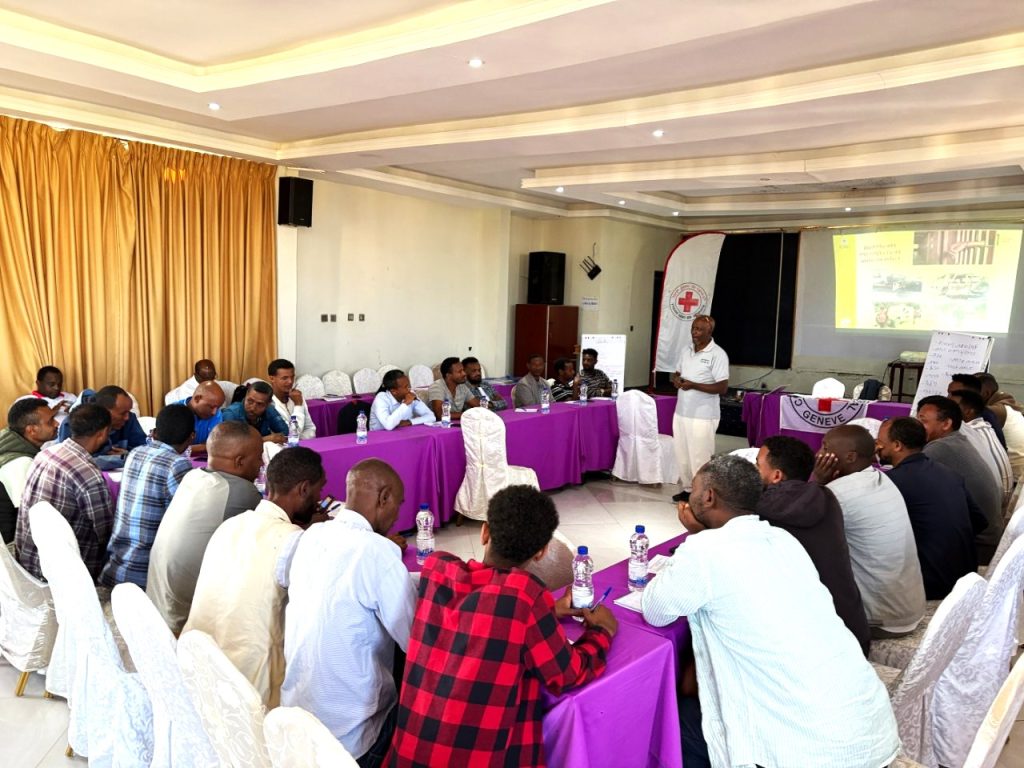
The ERCS Amhara Regional Branch and ICRC remain committed to protecting emergency medical personnel and strengthening the delivery of humanitarian services to communities in need.
We Live for Humanity!