Early Action Saves Lives: Partnership Driving Positive Impacts in Disaster Preparedness
For decades, pastoralist communities in Ethiopia’s Afar regional state have endured the devastating cycle of extreme droughts and sudden flash floods. These recurrent shocks—often followed by disease outbreaks—strike in quick succession, eroding livelihoods and weakening resilience.
To break this cycle, the Ethiopian Red Cross Society (ERCS), in partnership with the Netherlands Red Cross and the Danish Red Cross, implemented the DG ECHO-funded Disaster Preparedness Project 2004 from June 2024 up to May 2026. With over 1.8 million euros in support from the Directorate-General for European Civil Protection and Humanitarian Aid Operations (DG ECHO), the project has strengthened the institutional capacity to anticipate, prepare for, and respond to both manmade and natural hazards across the Somali, Tigray, and Afar regions.
Unlike traditional disaster response models that mobilizes only after devastation has occurred, this initiative champions Anticipatory Action (AP)—acting on early warning signals before crises unfold. In Afar, a regional Anticipatory Action Technical Working Group was established, uniting government sector offices and humanitarian actors. Together, they built a shared understanding of early warning systems, triggers, and protocols for early action.
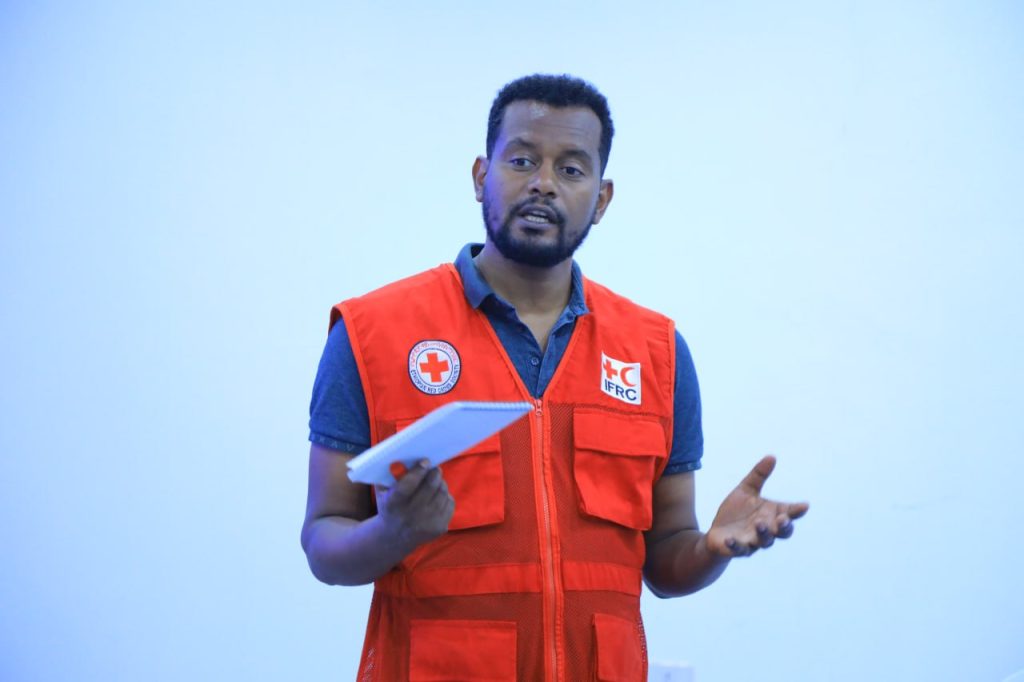
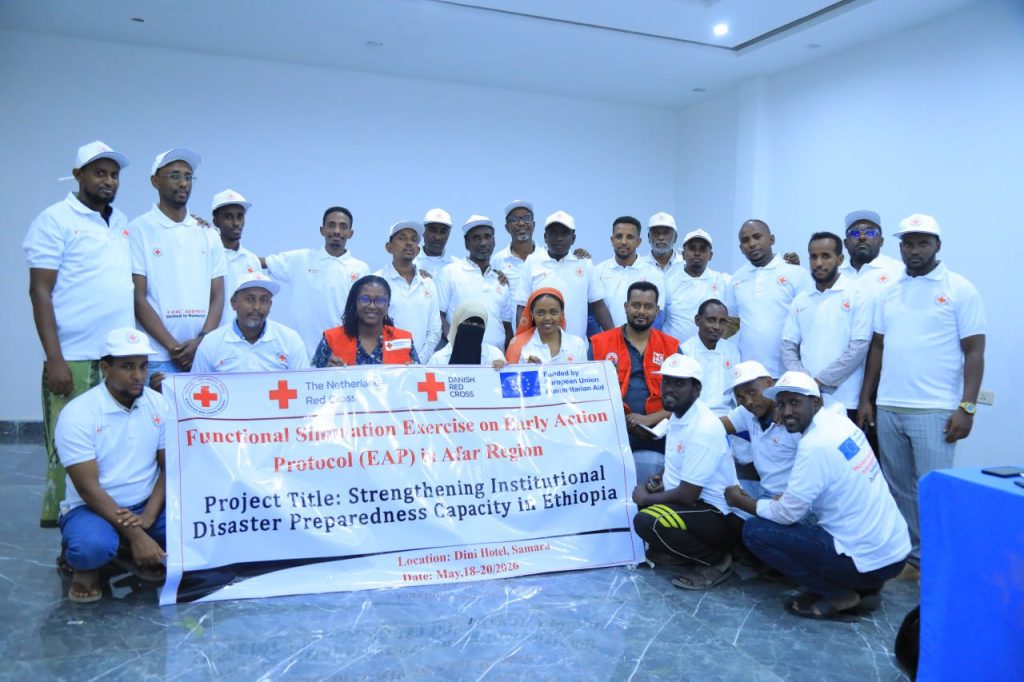
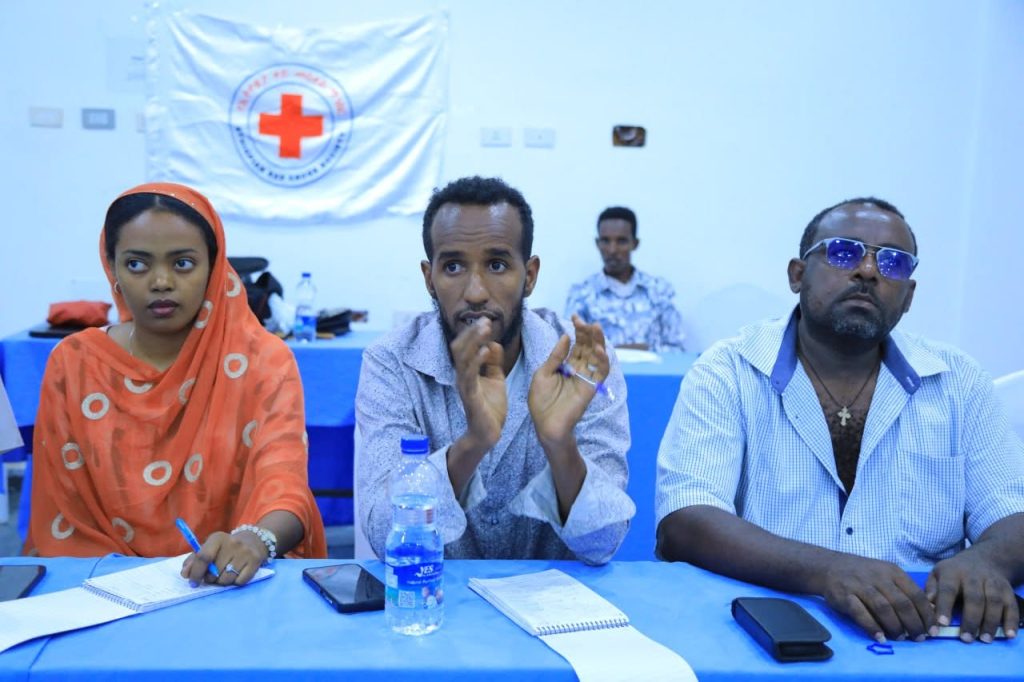
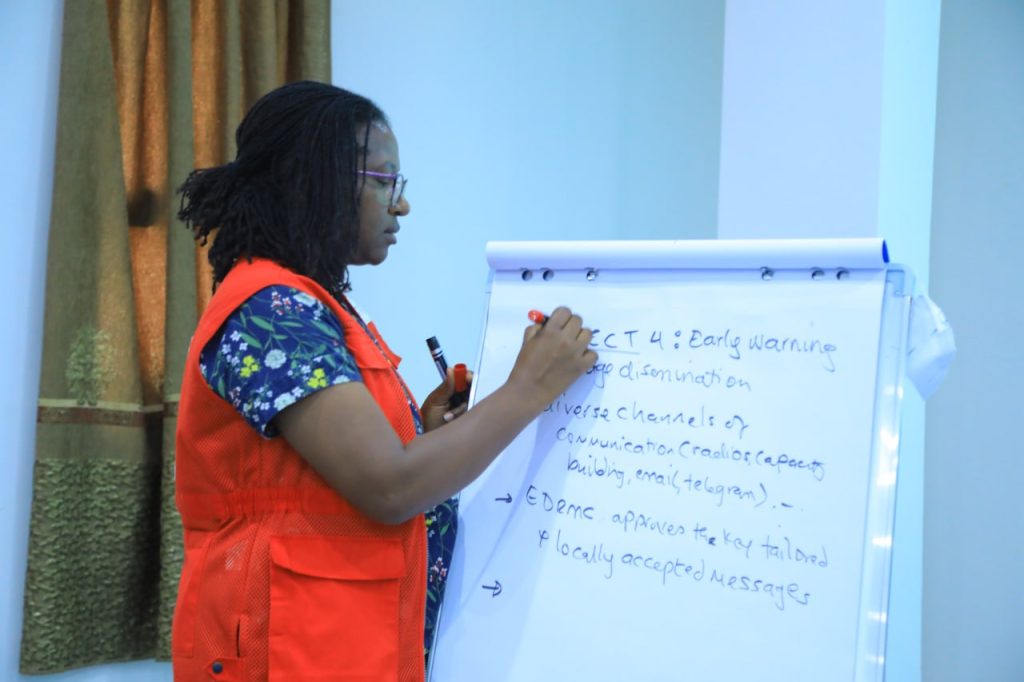
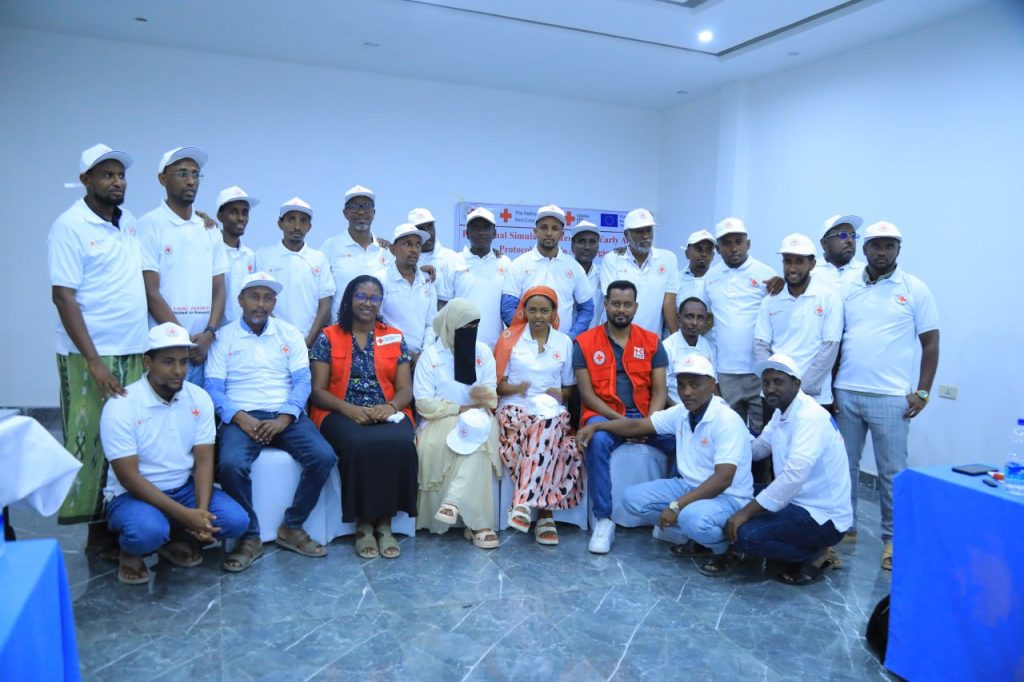
Recently, the project conducted a joint functional simulation exercise to test the Afar Region Early Action Protocol (EAP) from May 18-20, 2026 in Samara, capital city of the Afar regional state. The simulation exercise has brought together 25 participants representing key government sectoral offices, local and international humanitarian organizations, and ERCS staff, covering a wide range of topics, including anticipatory action, early action protocols, early warning systems, and field-based hands-on simulation exercises.
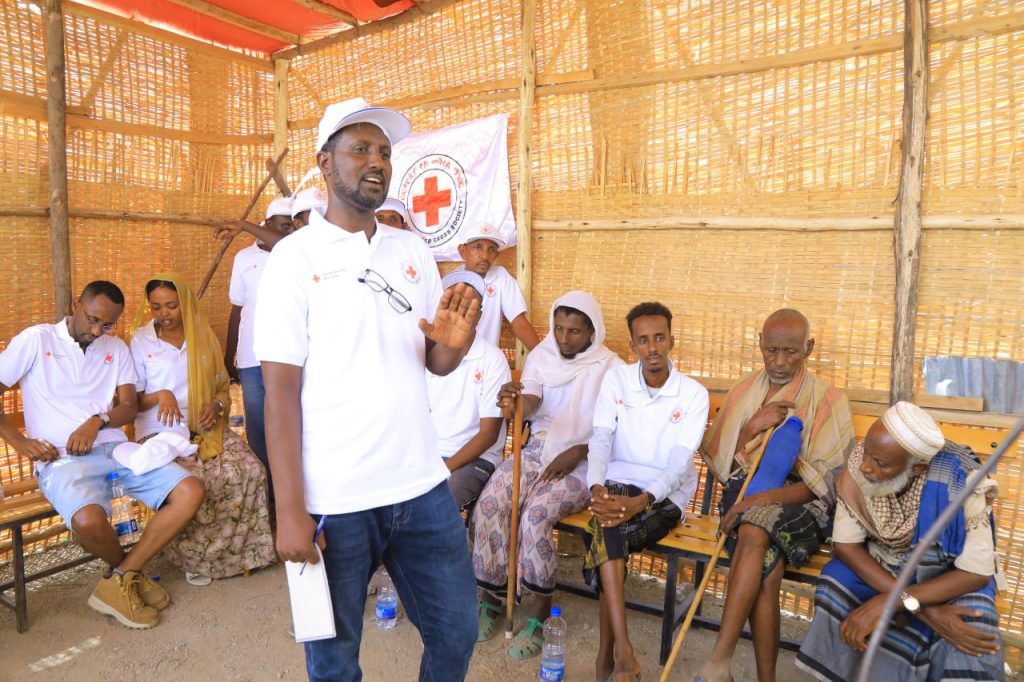
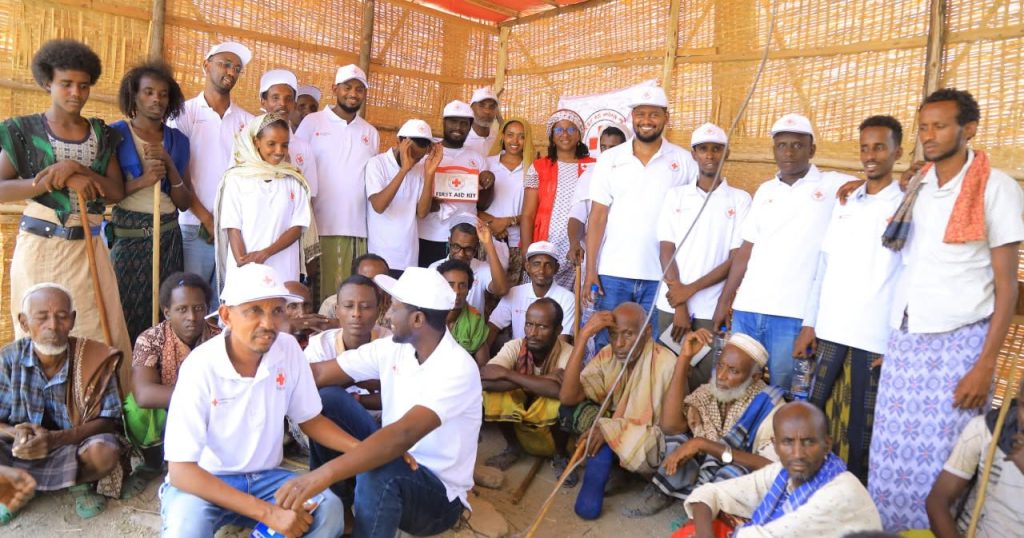
The simulation exercise also included field-based session in Dubti Woreda, where participants tested how early warning messages reach communities. It showed the importance of translating technical information into practical, understandable messages by using local language and focusing on actions relevant to people’s daily lives. Community members participated actively and showed a good understanding of the suggested preparedness measures. Discussions were grounded in real-life choices, such as moving closer to water sources during periods of drought – highlighting both the practicality and complexity of such decisions.
Lesson learned
The simulation exercise underscored a simple but critical lesson: utilizing early warning information in a meaningful, understandable manner that communities can understand, trust, and use to protect their lives and livelihoods. It marked an important step forward in strengthening readiness for anticipatory action in the Afar Region, creating a shared understanding of the Early Action Protocol (EAP) and improving coordination among stakeholders.

“The simulation exercise reinforced the importance of taking action before disasters occur rather than responding only after impacts have already been felt,” said Kedir Endris, Team Leader of the Early Warning and Response Directorates at the Afar Disaster Risk Management Bureau. “Beyond the exercise itself, the Disaster Preparedness Project implemented by the Ethiopian Red Cross Society over the past two years has provided valuable guidance on the type of preparedness and risk reduction measures, including anticipatory action, that should be prioritized at both regional and national levels.”
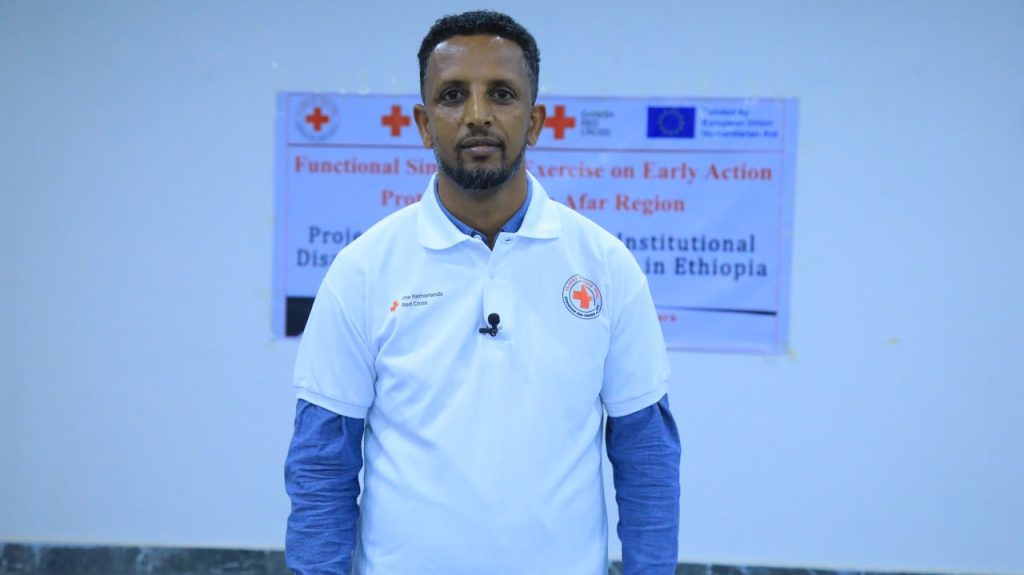
For Ato Fisseha Mulatie, Food Cluster Coordinator at the World Food Program (WFP), the simulation exercise provided a comprehensive understanding of the entire anticipatory action cycle—from forecasting and early warning, to financing, implementation of early actions, and evaluation of results. “Government institutions, humanitarian partners, and technical agencies worked together as a single team, discussing challenges, identifying solutions, and clarifying how different actors contribute to the activation process.”
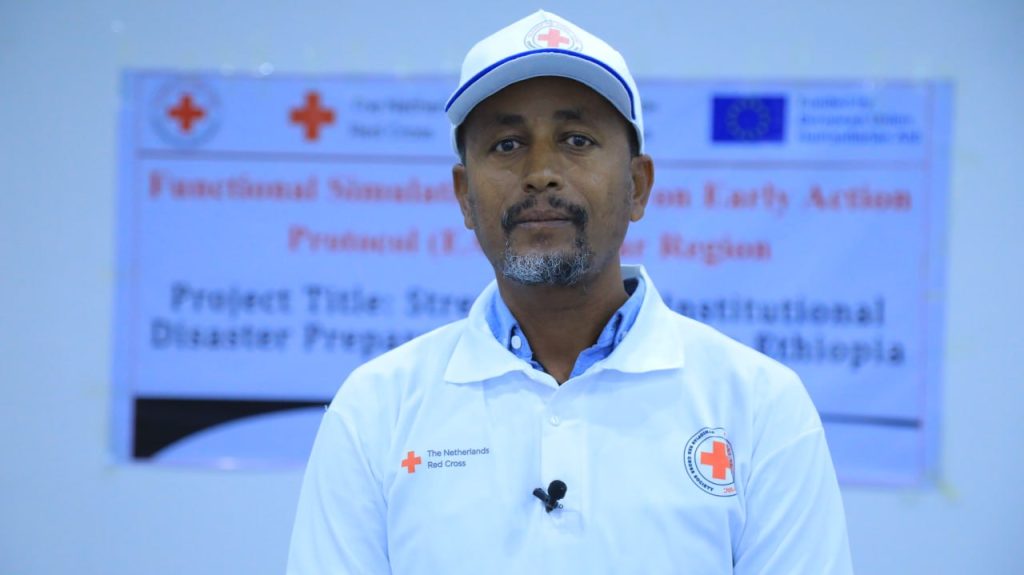
Ato Solomon Tole, Lead Executive Officer at the Ethiopian Meteorology Institute (EMI) of Afar Region, underscored that households can take action to protect their livelihoods and reduce disasters if early warning information reaches communities in a timely and understandable manner. “The newly established communication channels and partnerships created through this exercise provide a strong foundation for improving last-mile early warning dissemination in the future.”
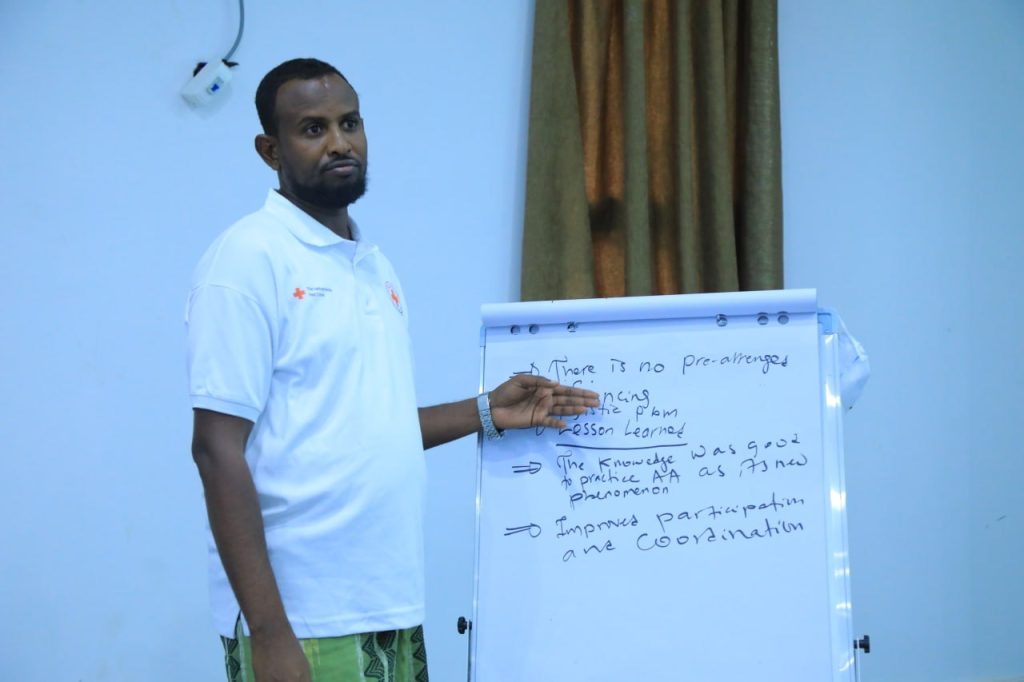
According to Ato Yayo Mohammed, ECHO Project Coordinator at ERCS Afar regional branch, the regional EAP includes different triggers, thresholds, and activation procedures, but understanding them in theory is very different from applying them in practice. “This simulation exercise gave us a much deeper understanding of how those triggers translate into actual actions on the ground.”
We Live for Humanity!