ERCS Launches 200 Million Birr Project to Strengthen Continuity of Cardio-Metabolic Disease Care During Crises
The Ethiopian Red Cross Society (ERCS), in partnership with the Danish Red Cross and with funding from the Novo Nordisk Foundation, has launched the second phase of the Continuity of Cardio-Metabolic Disease Care in Crisis (CMD CiC) project. The four-year initiative, valued at over 200 million birr, aims to strengthen continuity of care for people living with non-communicable diseases (NCDs) during emergencies and humanitarian crises.
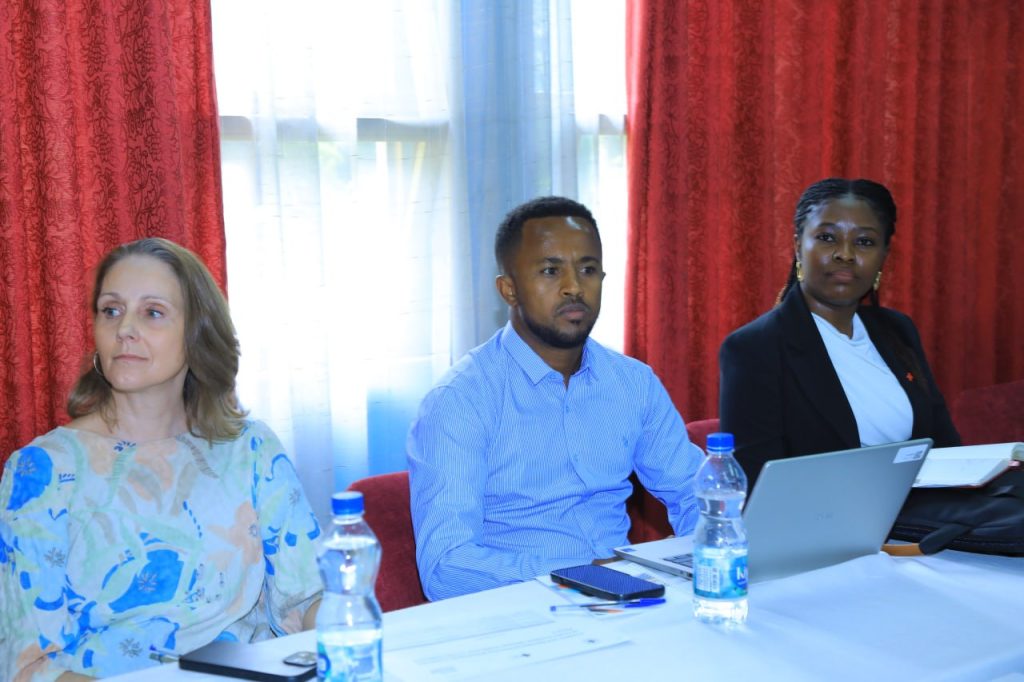
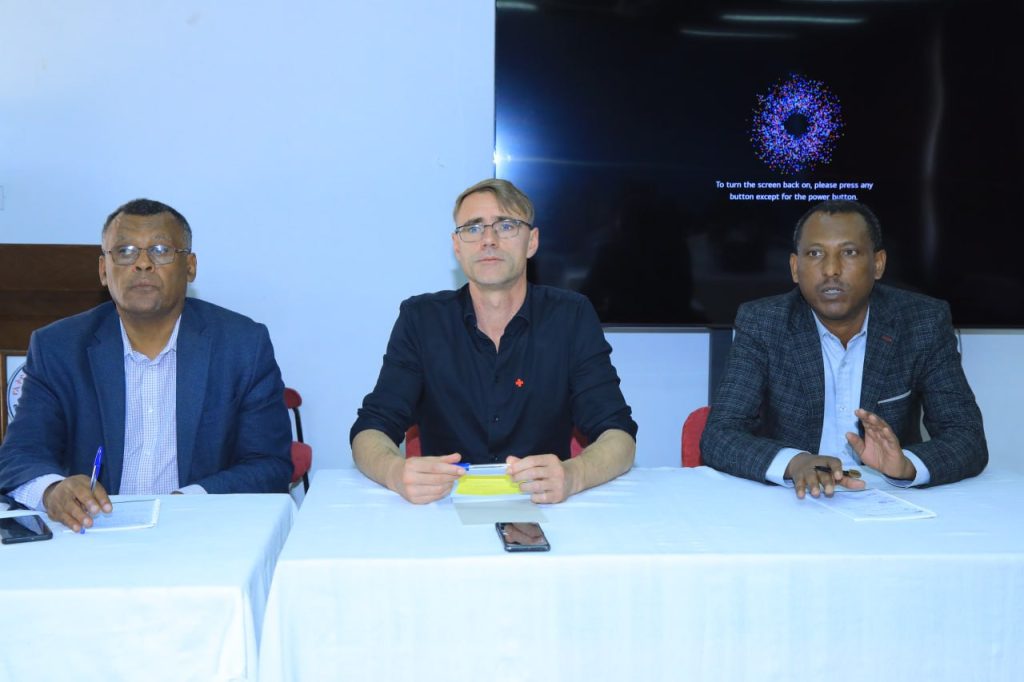
The project was officially launched during an inception and operational planning workshop held in Addis Ababa, bringing together representatives from the Federal Ministry of Health, regional and zonal health authorities, the International Federation of Red Cross and Red Crescent Societies (IFRC), the Danish Red Cross, and other key stakeholders.
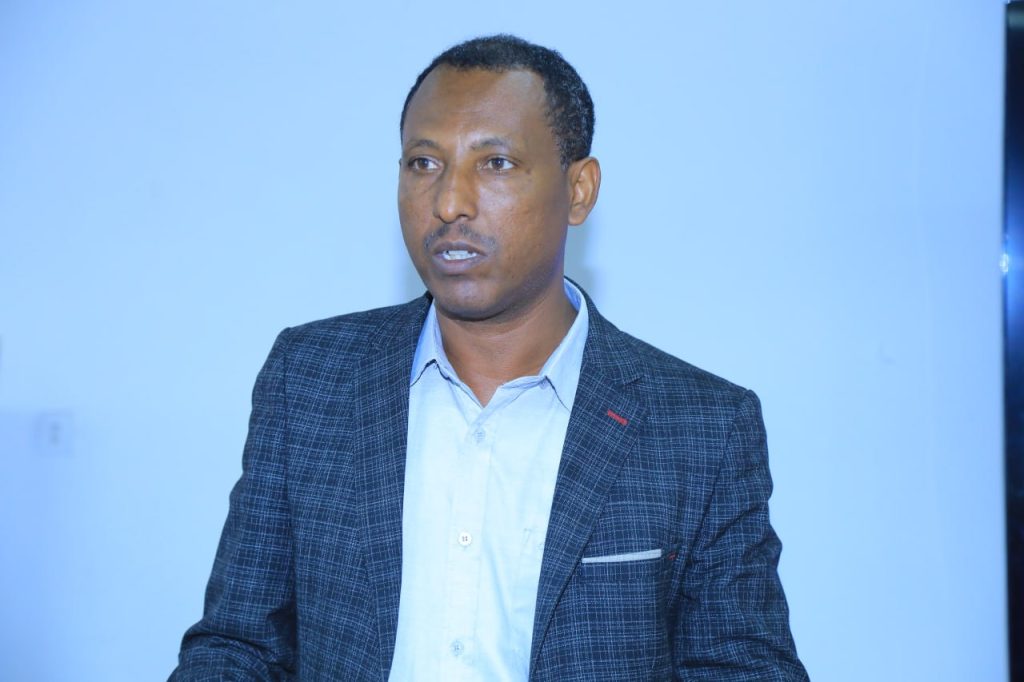
Opening the workshop, ERCS Health and WASH Director Ato Gashaw Dagne highlighted the growing burden of NCDs in Ethiopia and the heightened risks faced by patients when health services are disrupted during emergencies. He emphasized that ERCS, through its extensive network of branches, volunteers, and community structures, plays a vital role in health promotion, risk communication, screening, referral, follow-up services, and community mobilization.
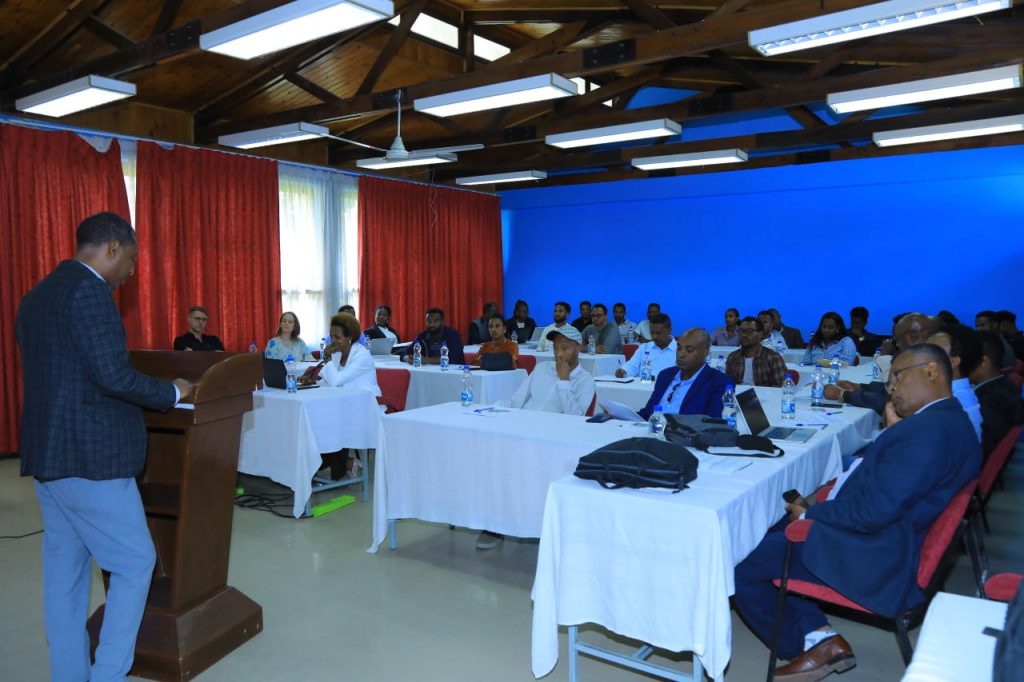
Ato Gashaw noted that the project will strengthen community resilience by integrating NCD prevention, preparedness, response, and recovery interventions into humanitarian action. It aims to improve prevention, screening, referral systems, treatment follow-up, and community awareness while enhancing the capacity of health workers and volunteers to ensure uninterrupted care for vulnerable populations, including internally displaced persons and returnees.
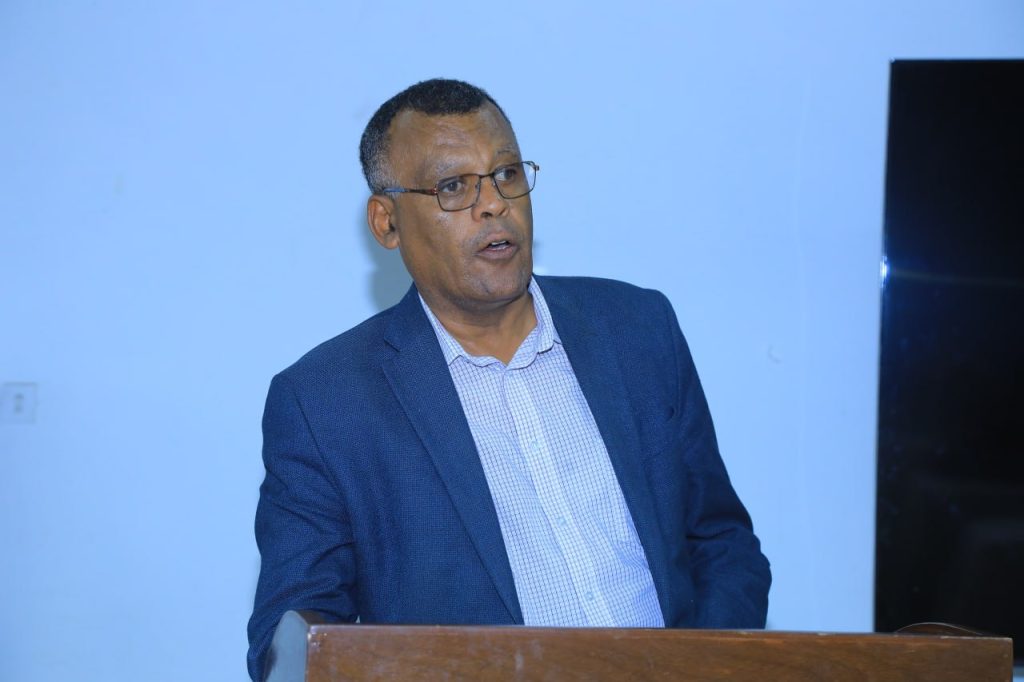
Representing the Federal Ministry of Health, Dr. Fasil Shiferaw underscored the importance of maintaining continuity of NCD care during humanitarian emergencies. He stressed that integrating NCD services into emergency preparedness and response plans at national, regional, and district levels is essential for building a resilient health system. Dr. Fasil also reaffirmed the Ministry’s commitment to strengthening preparedness, supporting capacity-building efforts, and enhancing coordination among government institutions and humanitarian partners.
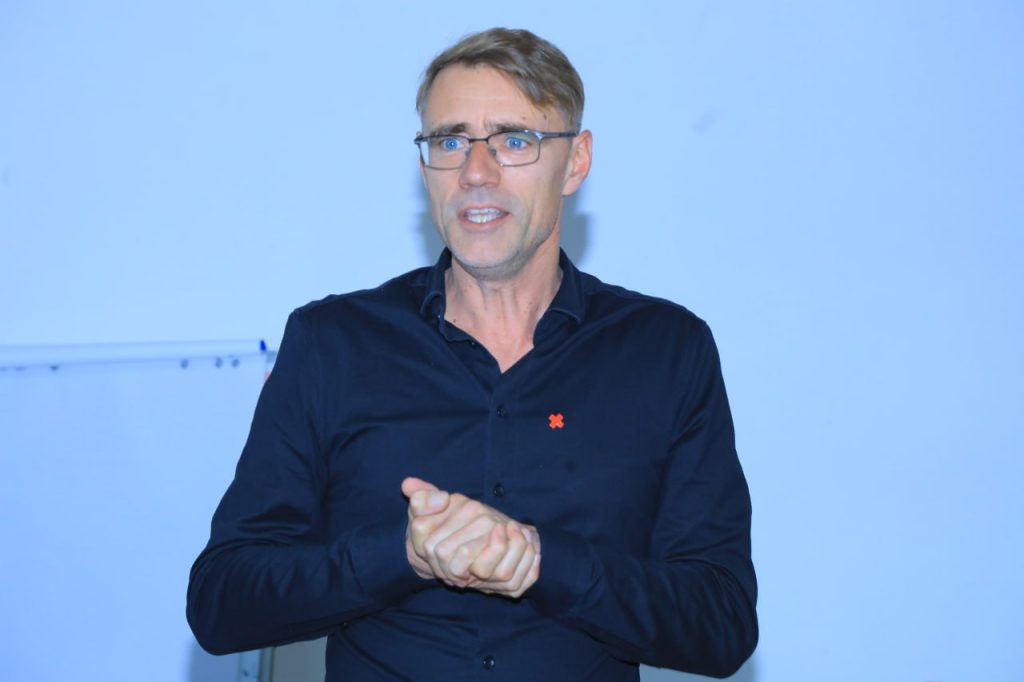
Speaking on behalf of the Danish Red Cross, Mr. Mads Østergaard, Country Manager in Ethiopia, highlighted more than a decade of collaboration among the Danish Red Cross, ERCS, the Novo Nordisk Foundation, government institutions, and local communities. He noted that the partnership has focused on ensuring continuity of care for people living with chronic illnesses during crises and reaffirmed the Danish Red Cross’s commitment to investing in community resilience, health system strengthening, and sustainable humanitarian action.
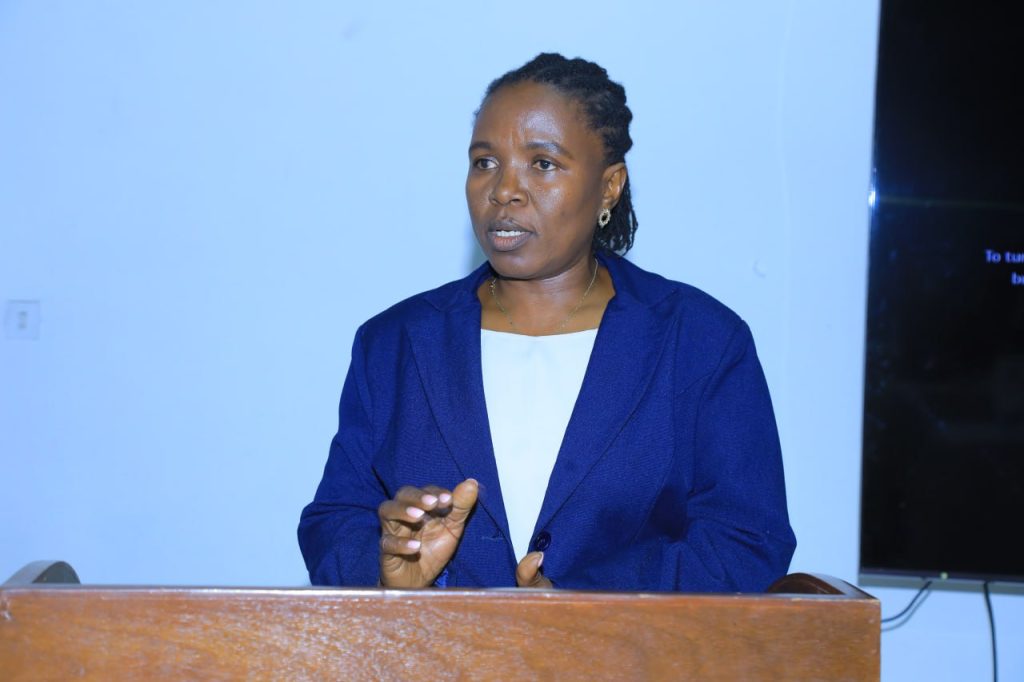
Representing the International Federation of Red Cross and Red Crescent Societies (IFRC), Mrs. Robi Wambura emphasized that people living with chronic diseases are often among the most vulnerable during emergencies and should not be left behind. She noted that disruptions in access to medicines, treatment, and routine follow-up care can have life-threatening consequences and called for stronger integration of NCD services into emergency preparedness and response efforts.
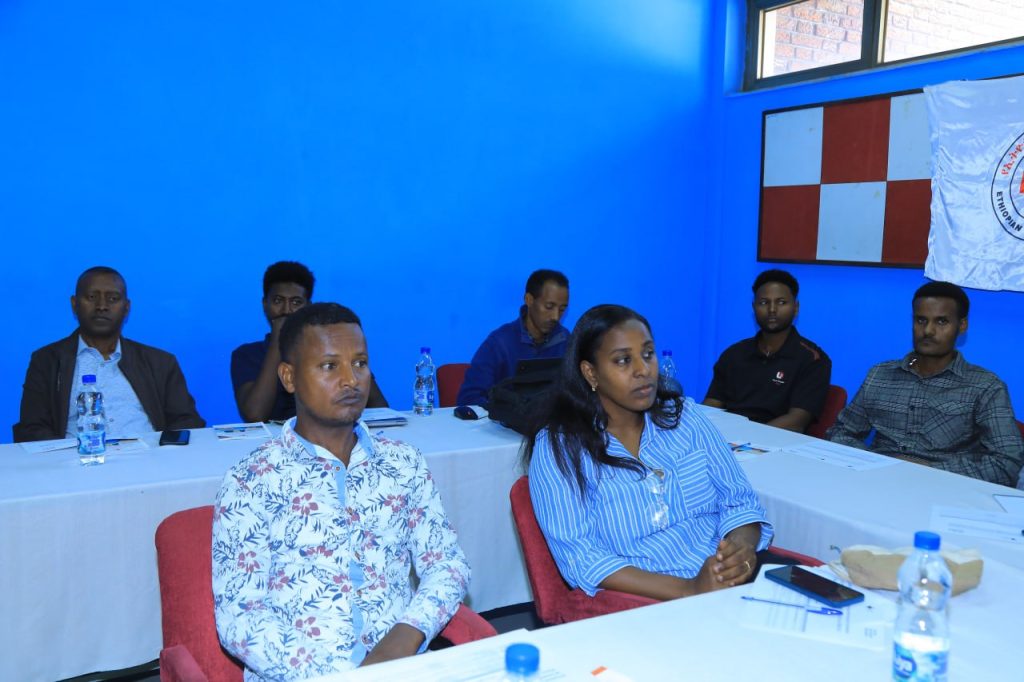
The project aligns with Ethiopia’s efforts to strengthen health system resilience and achieve universal health coverage by ensuring that essential healthcare services remain accessible during times of crisis. Through strong collaboration among government institutions, humanitarian partners, health facilities, communities, and volunteers, the initiative will contribute to improving health outcomes and quality of life for people living with NCDs.
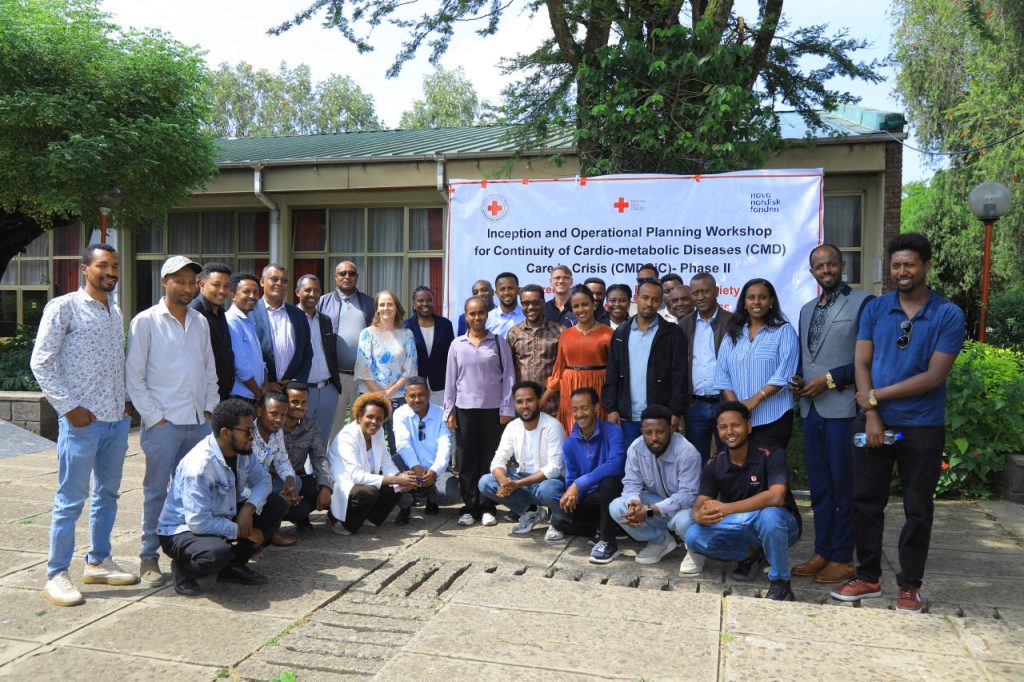
The second phase of the project will be implemented from February 2026 to January 2030 in Shirka Town of Arsi Zone (Oromia Region), Debark Town of North Gondar Zone (Amhara Region), and Shire Town in the North Western Zone of Tigray Region. By strengthening prevention, preparedness, and continuity of care, the project is expected to enhance community resilience and ensure that vulnerable populations continue to receive life-saving health services before, during, and after emergencies.
We Live for Humanity!