
ERCS Wolaita Zonal Branch Office Plants Over 300 Thousand Tree Seedlings in a Single Day

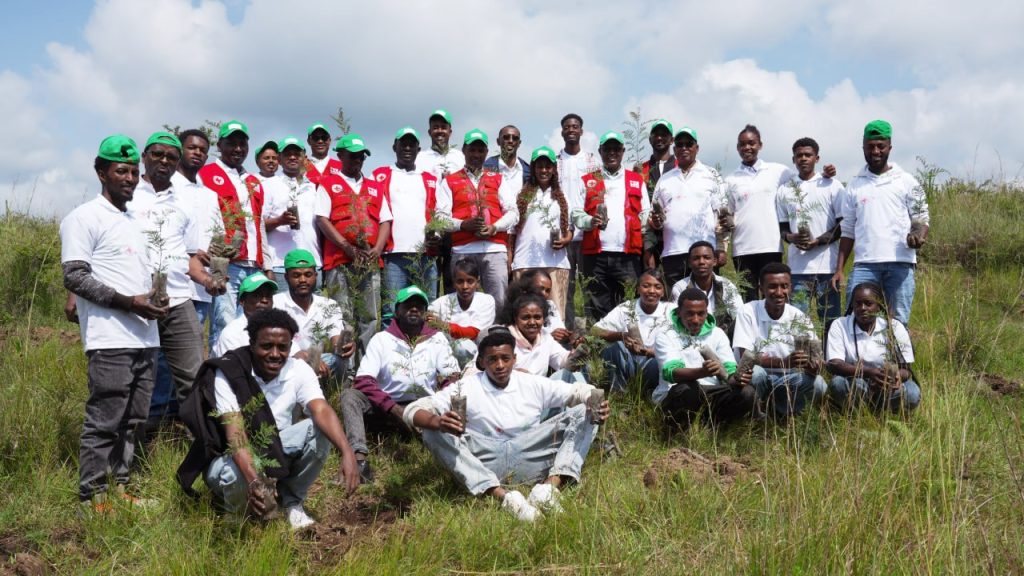
The Ethiopian Red Cross Society (ERCS) Wolaita Zonal Branch Office, in collaboration with government partners and local communities, has today planted more than 150,000 tree seedlings on a 30-hectare plot of land in a single day in Shakisho Shone Kebele, Damot Gali Woreda of Wolaita Sodo Zone as part of Ethiopia’s nationwide Green Legacy Initiative.
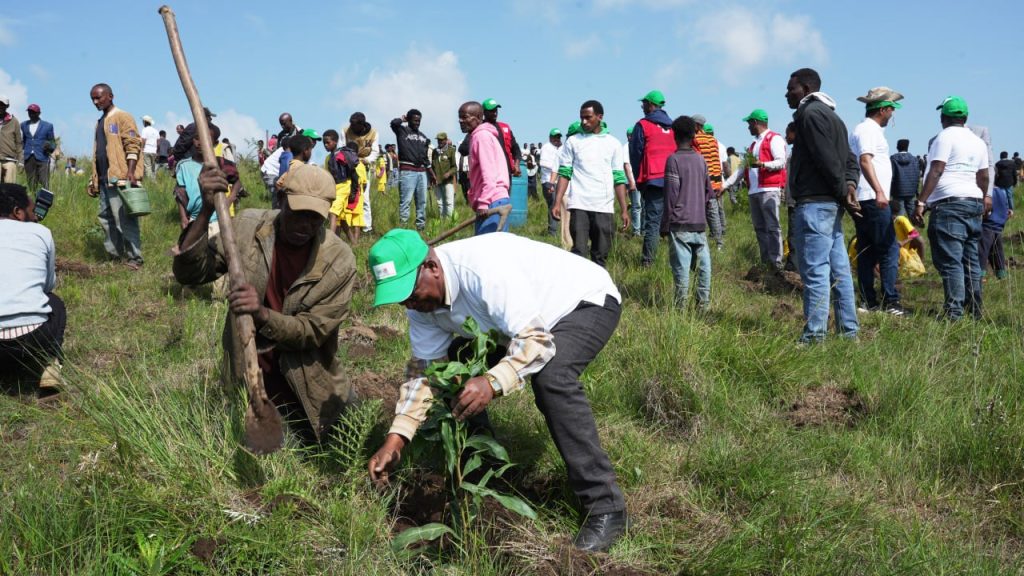
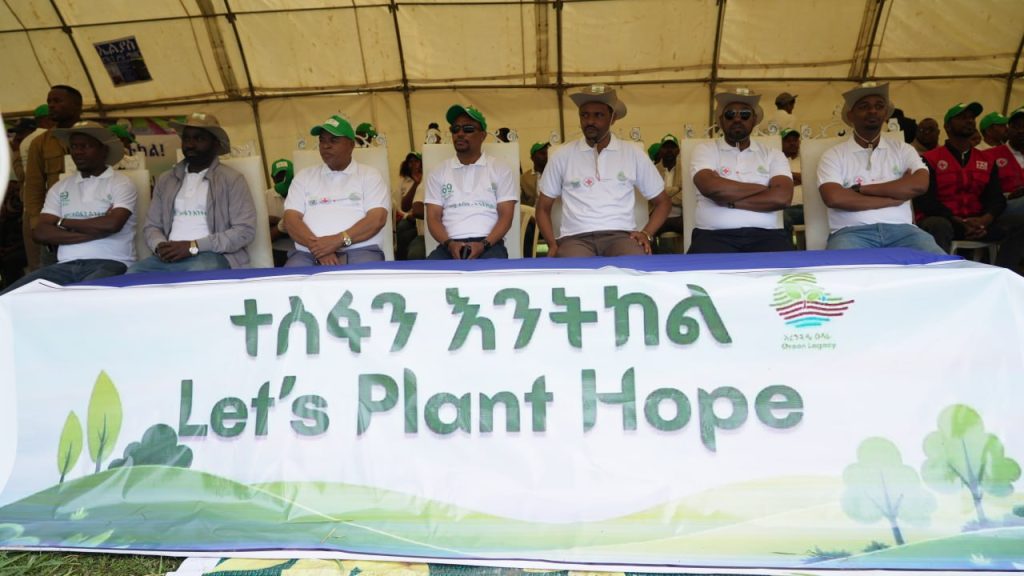
The large-scale planting campaign brought together high-level government officials from federal, regional, and woreda administrations, ERCS Wolaita Sodo Zonal Branch board members, staff, volunteers, and community members, reflecting a shared commitment to protecting the environment and building a more sustainable future for coming generations.

Ato Tilahun Kebede, President of the South Ethiopia Region, said that all pastoralists, farmers, city residents, and community members have been mobilised to plant 69 million seedlings in the region in a single day, creating a positive impact for future generations.
Ato Tilahun also stressed the urgent need to address environmental degradation and disaster risks in the region.
“We have witnessed how landslides claim lives and threaten livelihoods. Our mountains require sustained soil conservation efforts, and covering them with trees is one of the most effective ways to safeguard our communities.”

Ato Amanuel Ayza, Head of ERCS South Ethiopia Regional Branch, said that ERCS’s participation in the tree planting campaign goes beyond tree planting, representing an investment in long-term resilience and hope.

“By taking part in this year’s campaign, we are planting hope for future generations. ERCS has already been implementing nature-based solutions and soil and water conservation activities in this area since September 2025 to help communities better withstand environmental challenges,” he noted.

ERCS, in partnership with the Netherlands Red Cross under the Strengthening Resilience through Eco-System Based Adaptation and Management (STREAM) project, has been restoring the degraded ecosystem and providing livelihood support in Shakisho Shone Kebele since January 2025.
We Live for Humanity!