“Increasing the Participation of Women and Youth at Leadership Level Is a Key Issue,” Says Dr. Addisalem Mulat
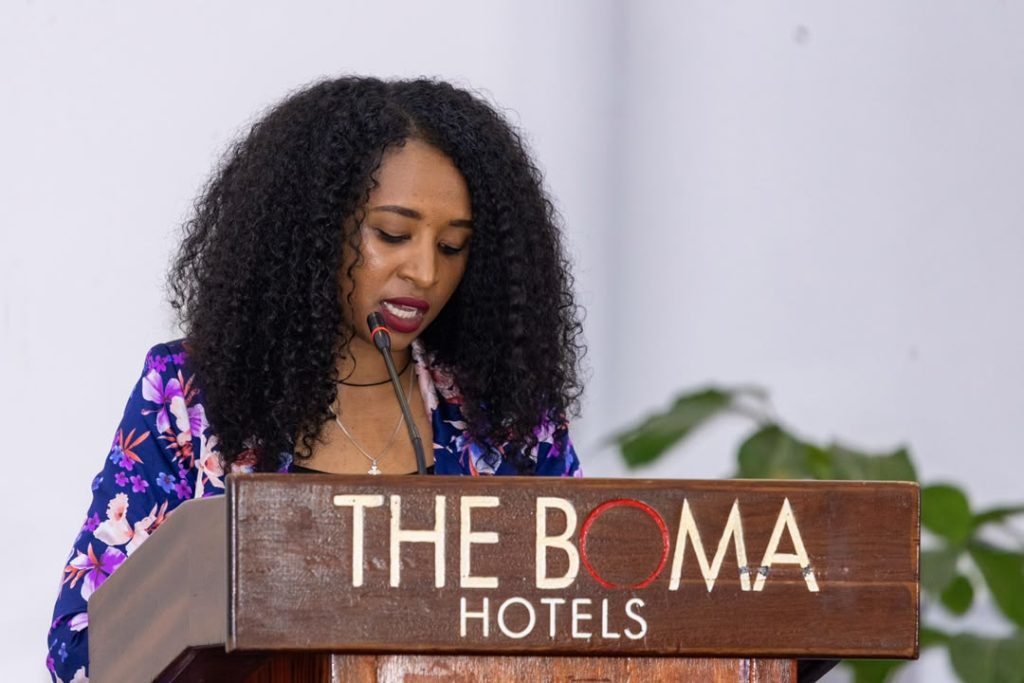
A consultative meeting of Presidents and Secretaries General of African National Red Cross and Red Crescent Societies was held from 03–05 August 2026 in Nairobi, Kenya. The meeting brought together senior leaders of National Societies from across Africa, representatives of the International Federation of Red Cross and Red Crescent Societies (IFRC), the International Committee of the Red Cross (ICRC), and Movement partner organizations.
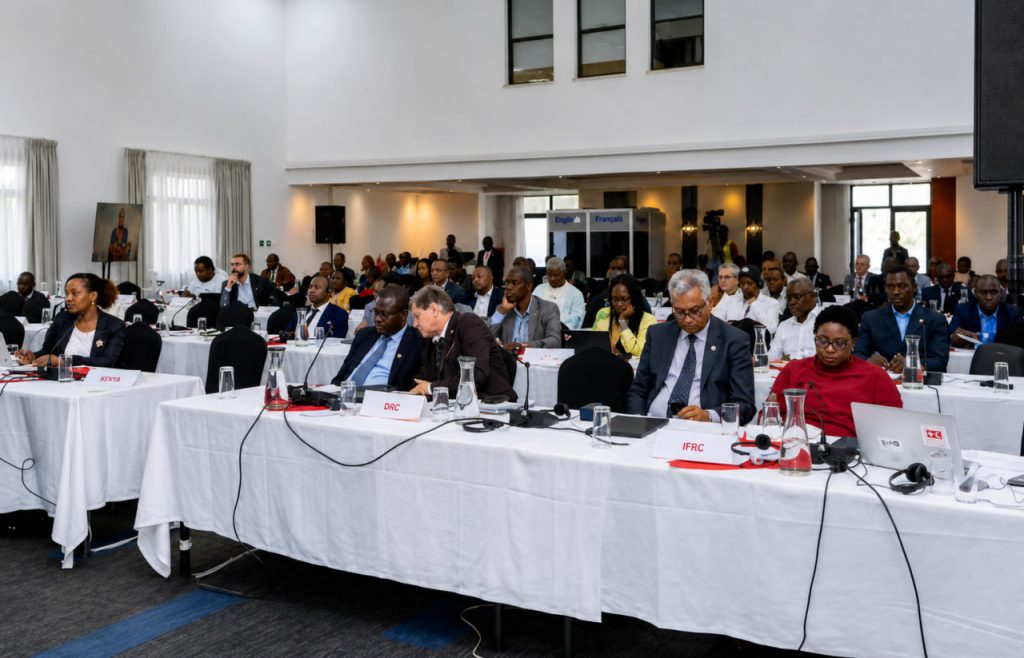
The main objective of the meeting was to assess the current capacities and challenges of the African Red Cross and Red Crescent Movement and to establish a common direction for promoting stronger, more self-sustaining, and locally driven humanitarian services.
Key issues discussed during the meeting included strengthening self-reliance, revitalizing the volunteering system, enhancing cooperation and solidarity among African National Societies, increasing domestic resource mobilization, promoting change leadership, protecting the Movement’s emblems and institutional integrity, and modernizing the governance systems of National Societies.
Representing the Ethiopian Red Cross Society (ERCS), Dr. Addisalem Mulat, ERCS Board Member and Chairperson of the Youth of the Red Cross and Red Crescent Network for East Africa and the Indian Ocean, delivered remarks on the current challenges facing the Movement and the future direction of National Societies.
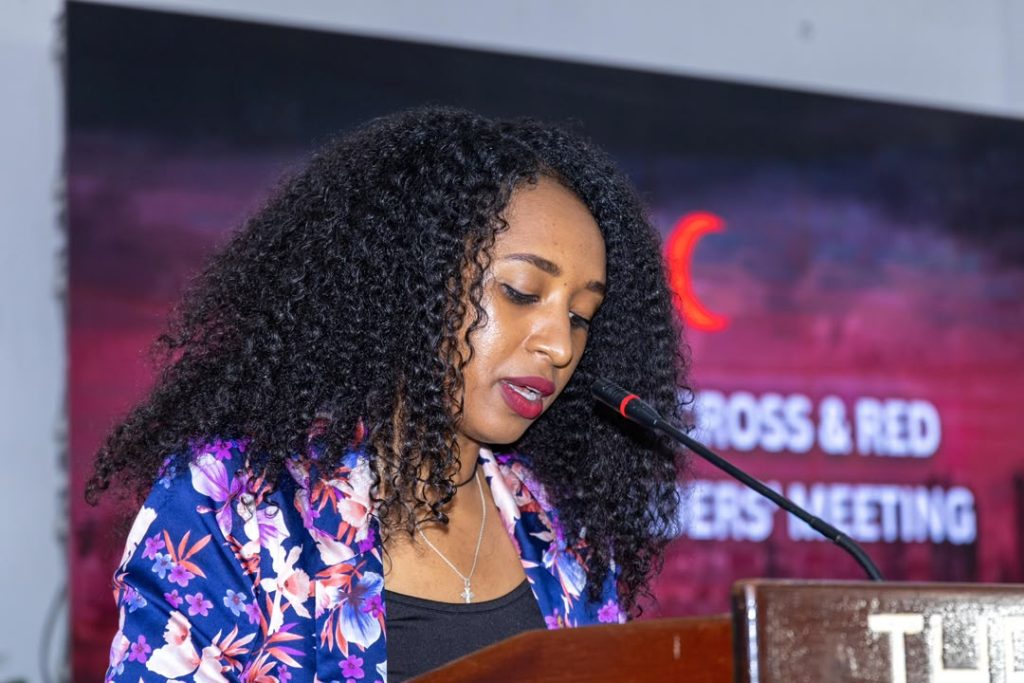
In her remarks, Dr. Addisalem noted that the meeting focused on major issues including domestic resource mobilization, change leadership, the Red Cross and Red Crescent Movement emblems, and the review of statutes, among others.
Regarding domestic resource mobilization, Dr. Addisalem explained that the meeting emphasized the need for African National Societies to strengthen their financial independence and sustainability by expanding domestic resource mobilization rather than continuing to rely primarily on traditional international donors.
In this regard, the Ethiopian Red Cross Society shared its institutional reform and resource mobilization experiences with the participants. Some of the key actions highlighted included establishing a dedicated resource mobilization structure, strengthening strategic partnerships with the government and private sector, digitally mapping and identifying the Society’s assets and resources, expanding membership programmes, developing training services as income-generating activities, expanding revenue-generating ventures, and enhancing mobile and digital donation mechanisms.
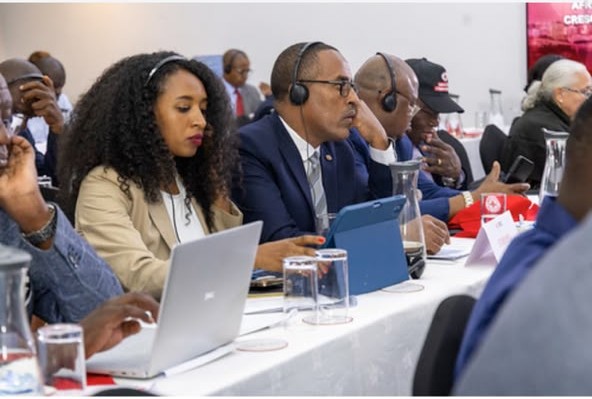
Various experiences from African National Societies were also presented during the meeting. The Uganda Red Cross Society highlighted the need for a financing strategy tailored to the national context, while the Japanese Red Cross Society presented strong membership and public contributions as a foundation for long-term financial sustainability. The Red Cross Society of Guinea and the Egyptian Red Crescent also shared their respective experiences in income generation and resource mobilization.
On change leadership, Dr. Addisalem presented ideas raised during the discussions, noting that future leadership should go beyond merely managing existing structures and instead lead transformation that enables institutions to respond effectively to changing humanitarian needs.
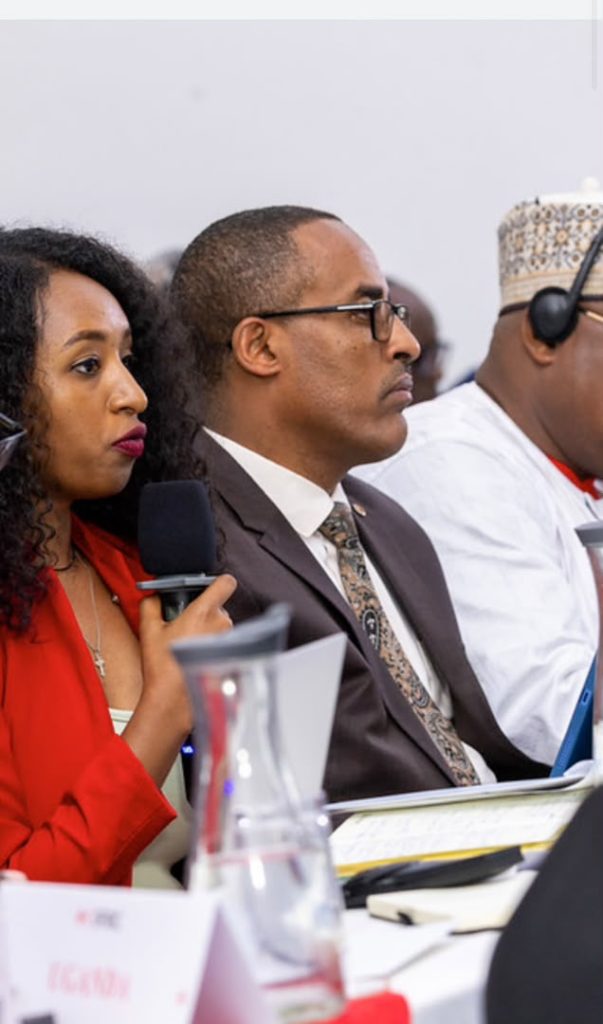
It was emphasized that change leadership involves creating a shared institutional vision, inspiring people to embrace change, strengthening accountability, promoting innovation, empowering people, and building sustainable institutions. Accordingly, the meeting highlighted the need to move from “transactional leadership” to “transformational leadership,” strengthen a shared vision, improve decision-making, and respond courageously to change.
During the discussion, ERCS President Mr. Abera Tola called on National Societies to assess whether they are investing adequately in the quality of leadership. It was also highlighted that leadership has a significant influence on an institution’s culture, as well as on employees’ attitudes, behaviours, beliefs, and overall performance.
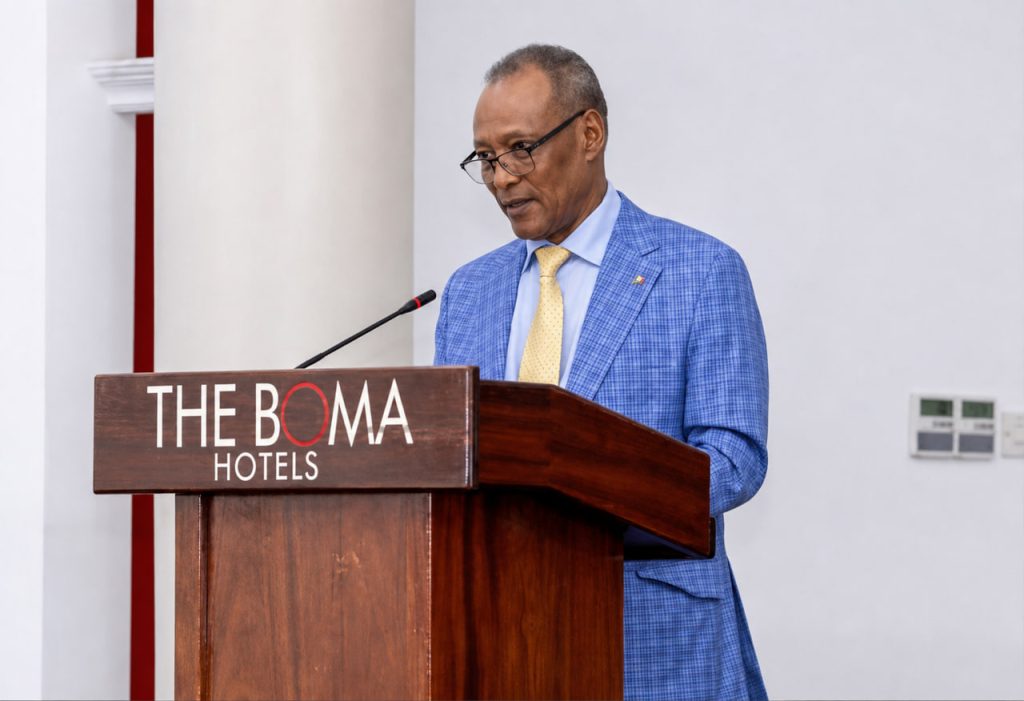
Dr. Addisalem further emphasized that increasing the participation of women and youth at the leadership level, systematically planning for succession, preserving the transfer of experience and institutional knowledge, and strengthening peer-to-peer learning and experience-sharing among National Societies are key priorities for future leadership development.
Regarding the Movement’s emblem, Dr. Addisalem also presented the ideas raised during the meeting. It was noted that the Red Cross and Red Crescent emblems are not merely logos or names, but represent a commitment to the Movement’s fundamental principles of humanity, neutrality, impartiality, and independence. Particular caution was recommended when displaying the emblems alongside those of other organizations, as this could potentially raise questions about the Movement’s neutrality and humanitarian access.
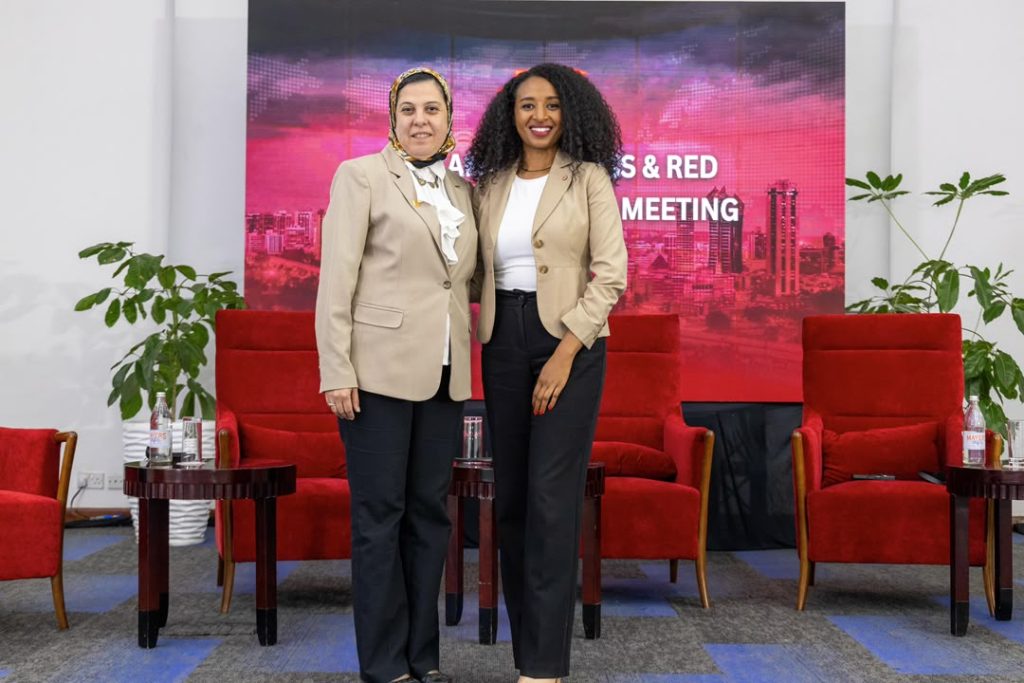
The meeting also reviewed proposals to amend the legal documents of the International Federation of Red Cross and Red Crescent Societies in relation to the revision of statutes. National Societies were advised to carefully review the full documents, consult legal and governance experts, and conduct internal consultations in order to develop clear positions for consideration and decision-making.
In her concluding report, Dr. Addisalem highlighted that the Nairobi consultative meeting had laid a strong foundation for African National Societies to collectively strengthen institutional sustainability, financial independence, change leadership, emblem protection, and the quality of institutional governance.
Dr. Addisalem’s participation also demonstrated the Ethiopian Red Cross Society’s important representation and contribution to continental Red Cross and Red Crescent forums, particularly in sharing its experience and perspectives on domestic resource mobilization, change leadership, youth leadership, and institutional sustainability. Her role as Chairperson of the Youth of the Red Cross and Red Crescent Network for East Africa and the Indian Ocean further demonstrates her contribution to strengthening the voice of young people within the African humanitarian agenda.
We Live for Humanity!