Society Evaluates the Implementation of the “MESELAL” Project
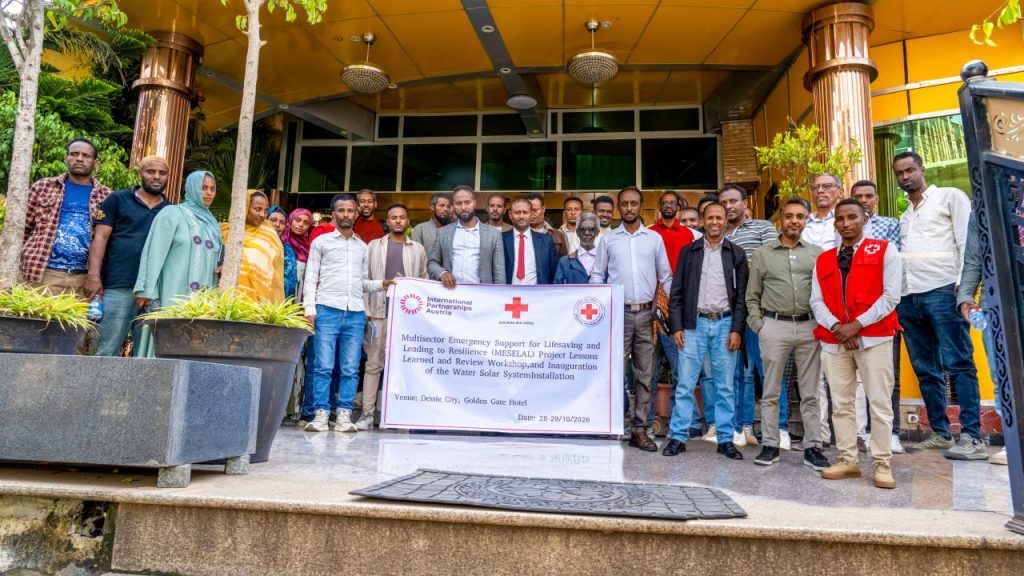
The Ethiopian Red Cross Society, in partnership with the Austrian Red Cross, and with funding from the International Partnerships Austria, held a lessons learned and review workshop in Dessie on October 28, 2026, to evaluate the implementation of the “Multi-Sector Emergency Support for Lifesaving and Leading to Resilience (MESALEL)” project, which has been underway in the South Wollo and North Wollo zones for the past three years.
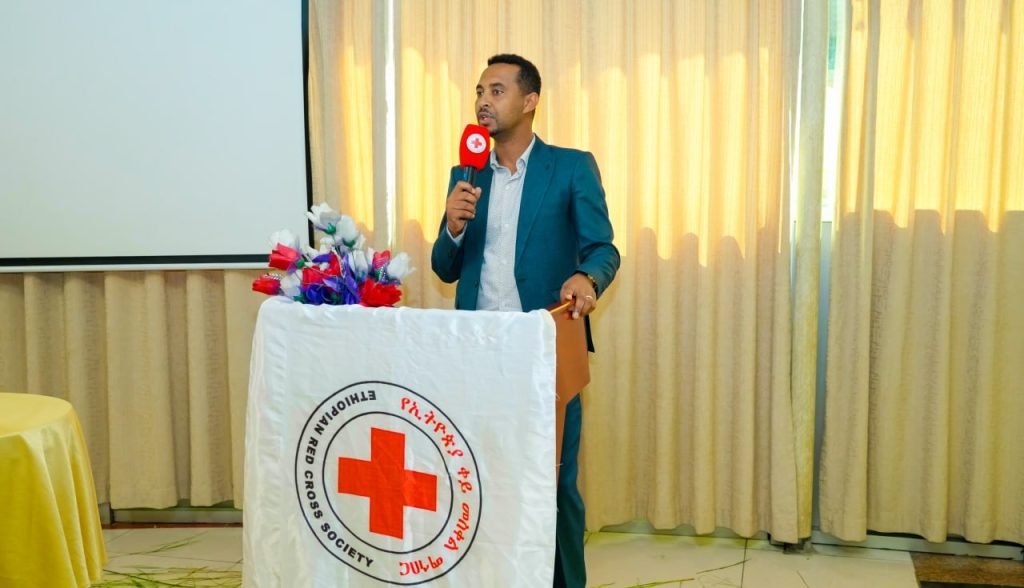
In his opening remarks, Mr. Endris Yimam, Head of the South Wollo Zone Administration Office and Chairperson of the Board of the ERCS South Wollo Zone Branch Office, stated that the workshop is not only a platform to evaluate past tasks, but also an opportunity to draw lessons from previous experiences, identify achievements, thoroughly examine challenges encountered, and gather inputs for future work sustainability and the enhanced execution of humanitarian services. He noted that extensive efforts have been made during the project’s implementation to benefit displaced persons and host communities in both zones.
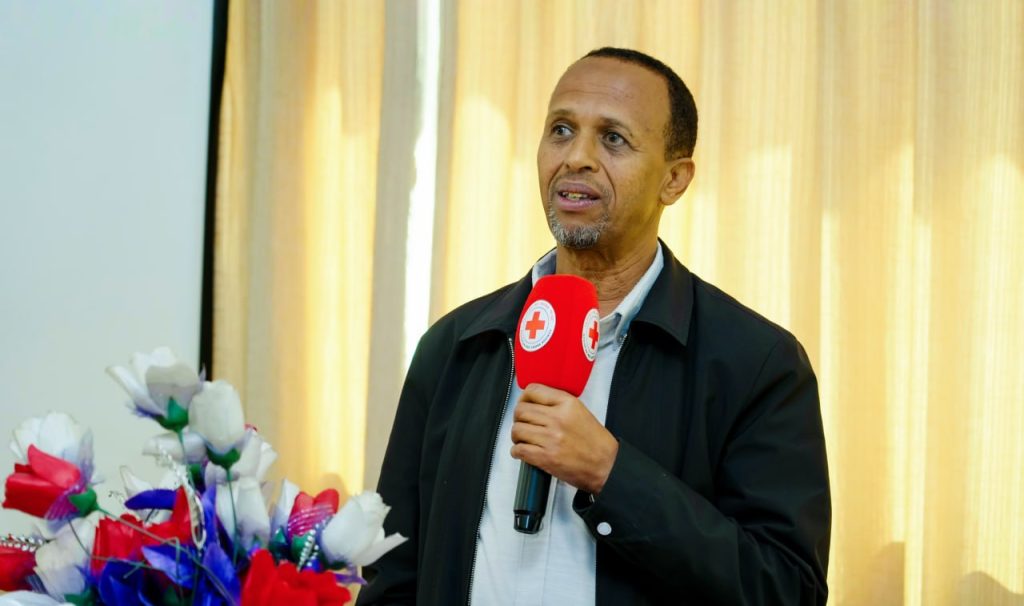
On his part, Mr. Mohammed Dada, Disaster Preparedness and Response Department Director at the ERCS, pointed out that the project does not aim to make the community dependent. He urged that by utilizing the modest support provided, the community’s capacity to be self-reliant must be built to ensure sustainable outcomes.
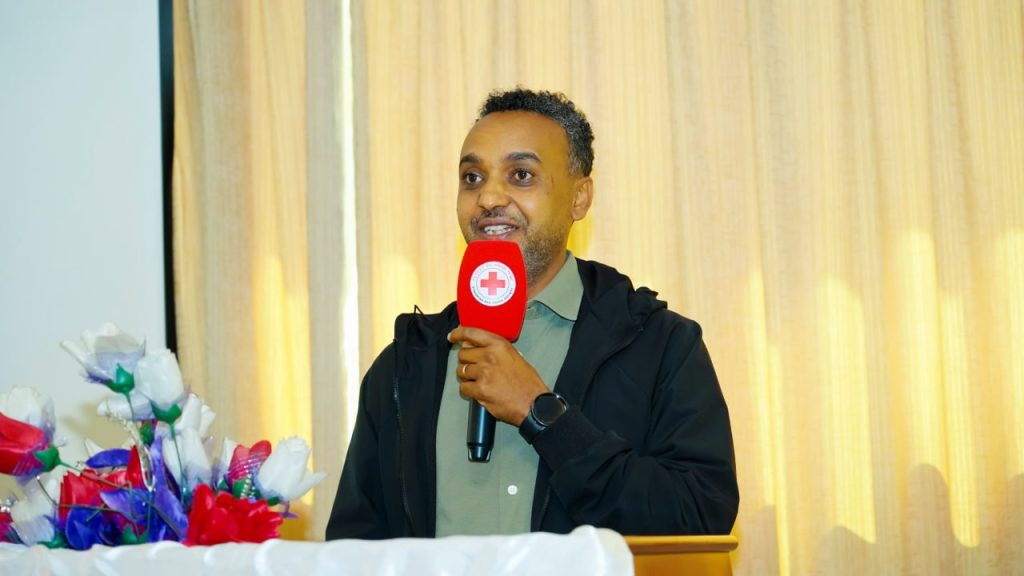
Mr. Temesgen Abebe, Austrian Red Cross Country Representative in Ethiopia, stated that the project was allocated a budget of 2.9 million euros (over 300 million Birr). He noted that cash assistance was provided to 5,640 households in three rounds, over 13,000 people were reached through ambulance services, and thousands of citizens were provided with access to clean drinking water through the construction of 17 water facilities. He added that women who previously worked in self-help groups have now grown their capacity and evolved into cooperatives, demonstrating the effectiveness of the project.
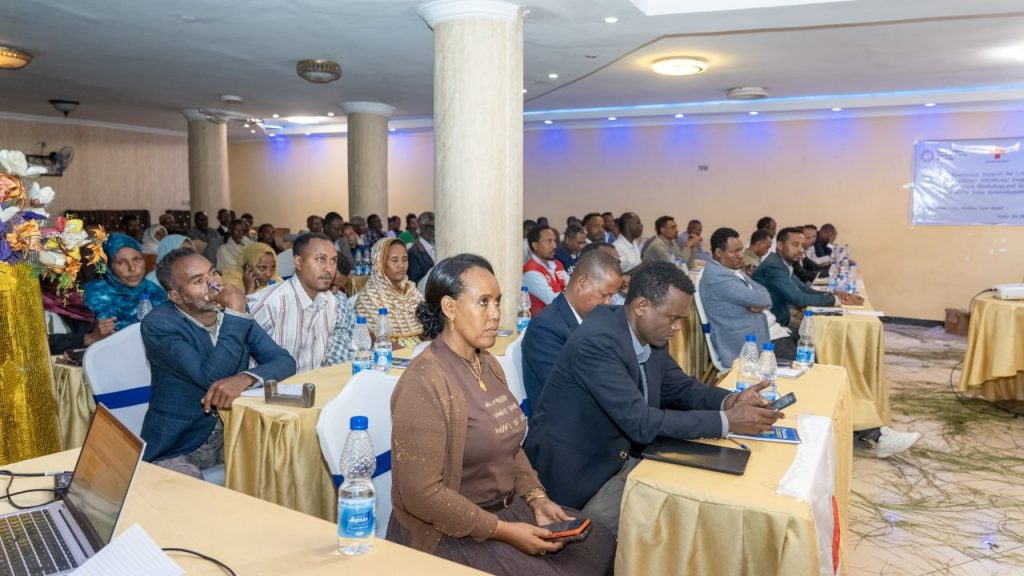
During the experience-sharing session held on the same day, beneficiaries organized in women’s self-help groups who received financial support shared that they have become successful by engaging in sheep fattening, laundry services, tea and coffee businesses, and grain trading. Furthermore, they stated that the social cohesion among members has strengthened, and they have begun helping others beyond themselves. Similarly, beneficiaries with disabilities testified that they are benefiting themselves and their families by engaging in weaving, livestock rearing, and other income-generating activities.
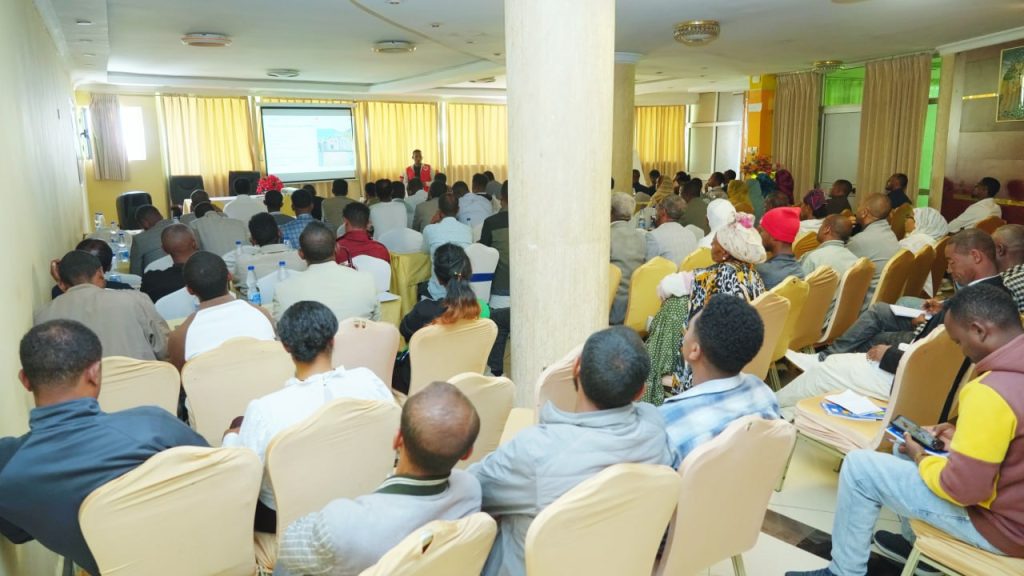
Finally, various government officials and participants attending the workshop reaffirmed their commitment to strengthening coordination among stakeholders – including the Red Cross and the government – making the Society’s humanitarian services more accessible and broadly supporting membership recruitment efforts.
We Live Humanity!