A Mother’s Determination in the Face of Drought: Didu Huqa’s Story
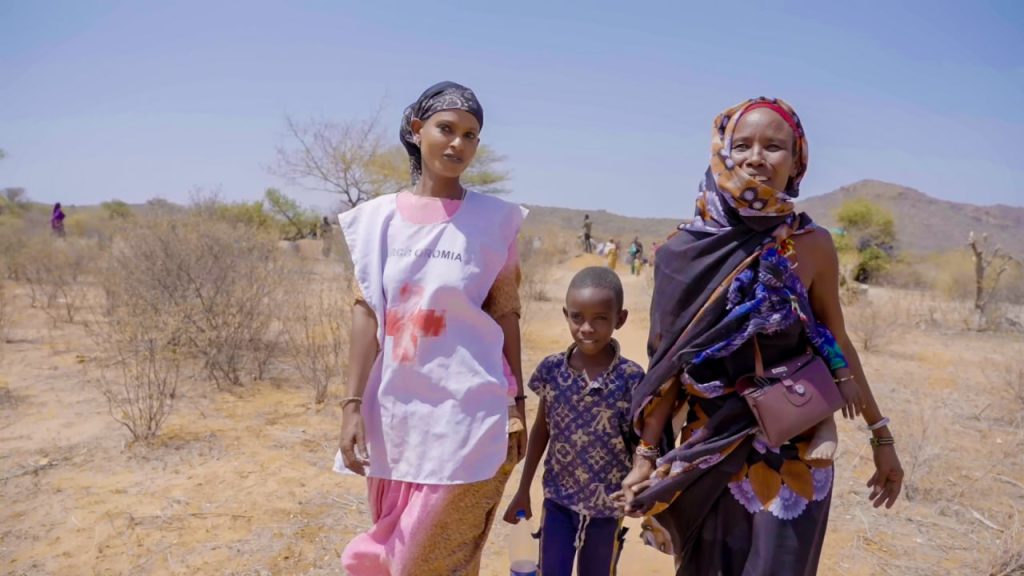
For three consecutive years, a devastating drought gripped the Borena Zone of the Oromia Region, leaving communities struggling to survive. The absence of rain for several seasons dried up water sources, destroyed pastureland, and wiped out livestock, the backbone of life for pastoralist families.
Although rainfall returned briefly last year and gave communities a small sense of recovery, the situation remains fragile. The failure of rains last September and the uncertainty of the coming April rains have once again placed families in fear of another worsening drought.
Among those affected is Mrs. Didu Huqa Mata, a mother of six living in Chereti Kebele of Dillo Woreda.
Didu was born in Site, a small place in the same woreda where she now struggles to raise her children. For years, her family relied on livestock for survival, as most families in Borena do. Their cattle were their wealth, their food, and their security.
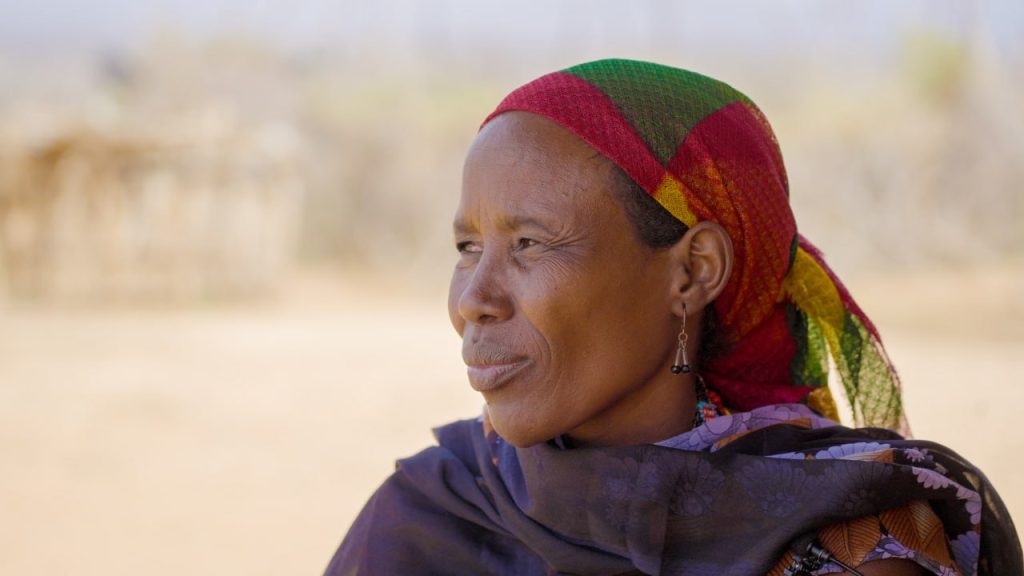
“I used to have cattle – cows, oxen, and goats,” Didu recalls quietly. “I had sixteen cattle. But the drought took them all.”
When the rains failed year after year, pastureland disappeared and water sources dried up. One by one, families watched their animals weaken and die. For Didu’s family, the loss of their livestock meant the loss of everything they had built over the years.
“Now I have no cattle,” she says. “The drought took them all away.”
With her family’s main livelihood gone, Didu was forced to rely on occasional day labor to survive. But opportunities are scarce in a community where nearly everyone is struggling.
The drought has not only taken livelihoods but also security and peace of mind.
“The current situation is very bad,” Didu explains. “We have nothing to eat. We have no water to drink. Our kebele itself has a water problem.”
Chereti Kebele, like much of Borena, is primarily pastoral land and not suitable for farming. Without rain, there is little that families can rely on to sustain themselves.
“We are very afraid,” she says. “When a person loses both food and water, life becomes very difficult.”
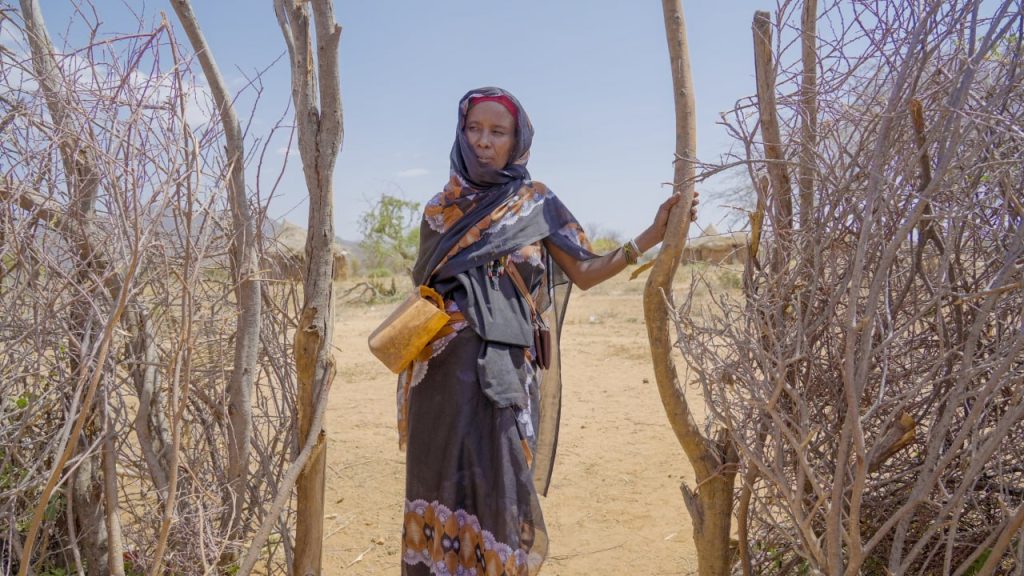
Despite the hardship, Didu carries a heavy responsibility of raising her six children and ensuring they continue their education.
Her children are at different stages of school. One is in Grade 10, one is in Grade 8, and another has just begun Grade 1. Like all children, they need basic school materials; such as exercise books, pens, and food when they travel for school.
“They depend on me,” Didu says. “They need notebooks and school materials. But when the drought took away my cattle, my resources were finished.”
To keep her children in school, she was forced to sell the few goats she had left.
“I used the goats for their food and their education,” she explains. “Now I don’t know what to do.”
At the same time, her husband, an elderly man, is preparing for an eye operation, adding another burden to a family already struggling to survive.
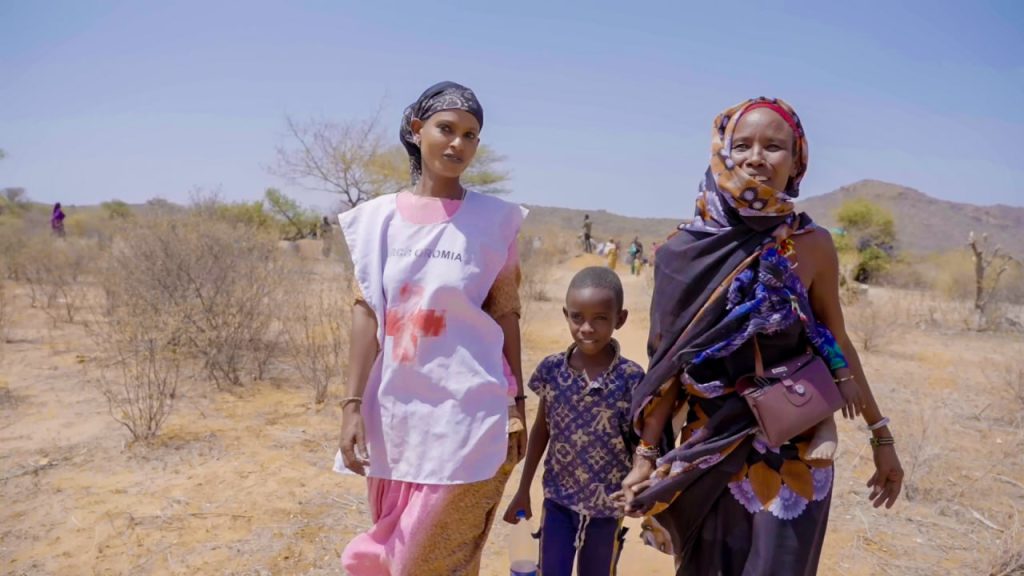
“I have no money for the treatment,” she says softly.
Yet even in the face of such hardship, Didu’s story is also one of resilience and solidarity.
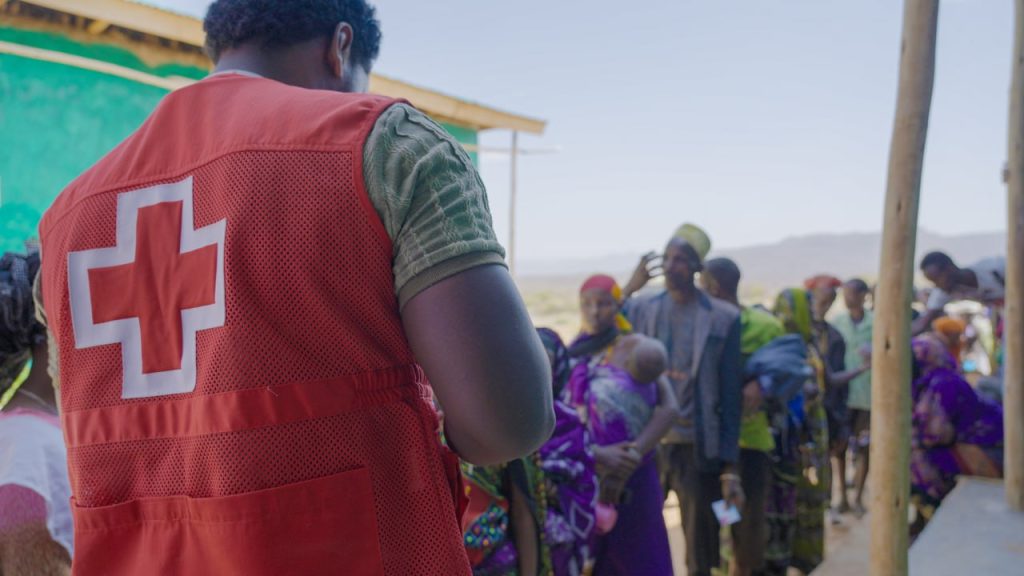
Throughout the difficult years of drought, the Ethiopian Red Cross Society stood alongside communities like Chereti. When families lost their livestock and food became scarce, the Society provided emergency assistance such as flour and cooking oil.
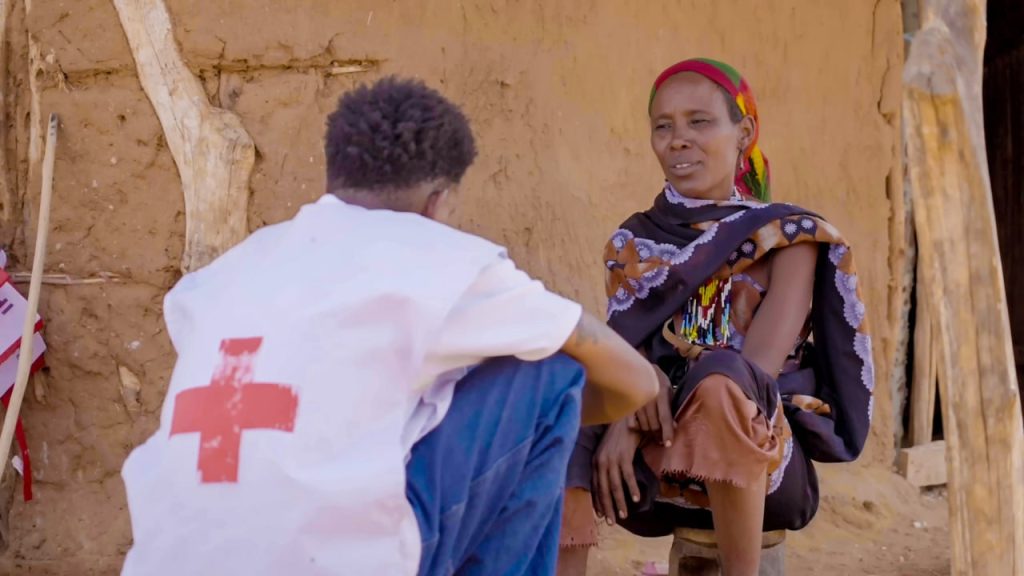
“With their support, we were able to survive that time,” Didu remembers.
The Red Cross also provided essential household items, including tarpaulins for shelter, cooking pots, and drinking cups – simple items that made a huge difference for families who had lost everything.
“They came many times and helped us,” she says with gratitude.
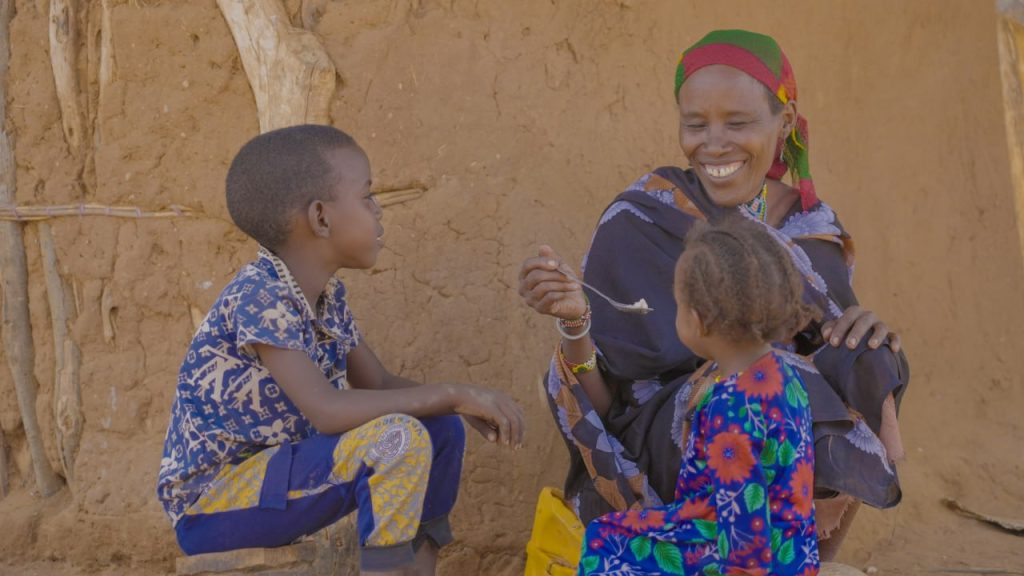
Today, the Ethiopian Red Cross Society, in partnership with the UK Government’s Foreign, Commonwealth and Development Office (FCDO), continues to support drought-affected communities in Borena.
Through this support, 508 households in Chereti Kebele of Dillo Woreda have received 9,700 Birr each, amounting to a total of 4,927,600 Birr in cash assistance. This support enables families to address their most urgent needs; such as food, education, and other basic household expenses.
For Didu, the assistance brings not only relief but also hope.
“The Red Cross gave us this money – 9,700 Birr,” she says. “I want to thank them very much.”
She explains that the cash will help her solve some of the most immediate challenges facing her family.
“This money is very important for us. We can use it for our children who are studying, or for food for the family. It helps us solve the problems we face right now.”
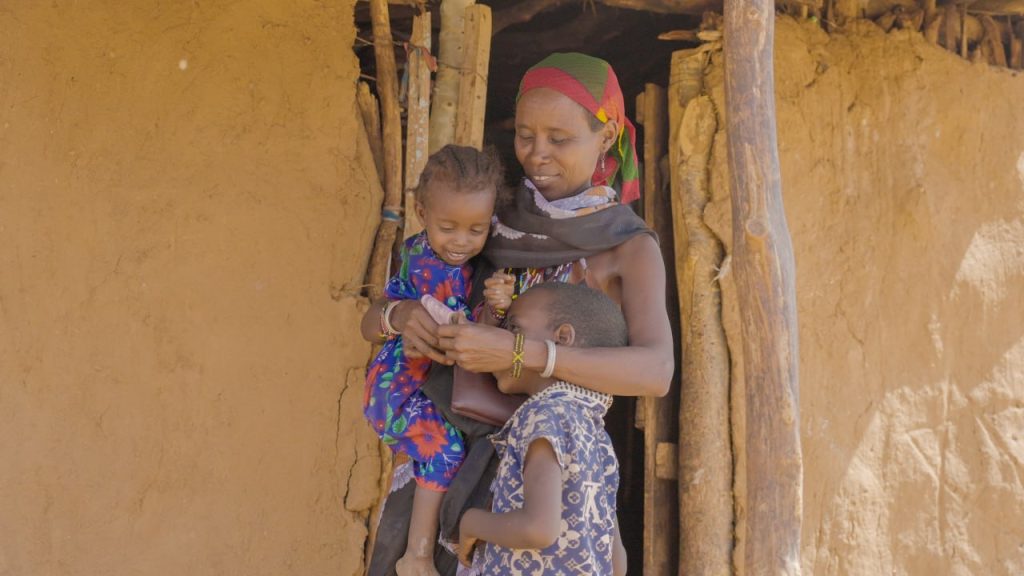
For Didu, even a small opportunity can make a difference. She still believes that with determination and support, she can continue working and help her children complete their education.
“Even if I receive a small amount, I will work and try to save something,” she says. “I believe my children will continue their education and finish their studies.”
Her words reflect both the hardship faced by many families in Borena and the resilience that continues to carry them forward.
While communities remain anxious about the coming rains, the support of humanitarian organizations and partners provides a lifeline in difficult times. For families like Didu’s, such assistance is not just about survival. It is about preserving dignity, protecting children’s futures, and keeping hope alive in the midst of uncertainty.
And as Didu looks toward the future, her greatest wish remains simple:that her children will continue their education and build a life beyond the hardship she has endured.