TESFA Project Worth Over 200 Million Birr Launched to Expand Lifesaving Support in Wollo
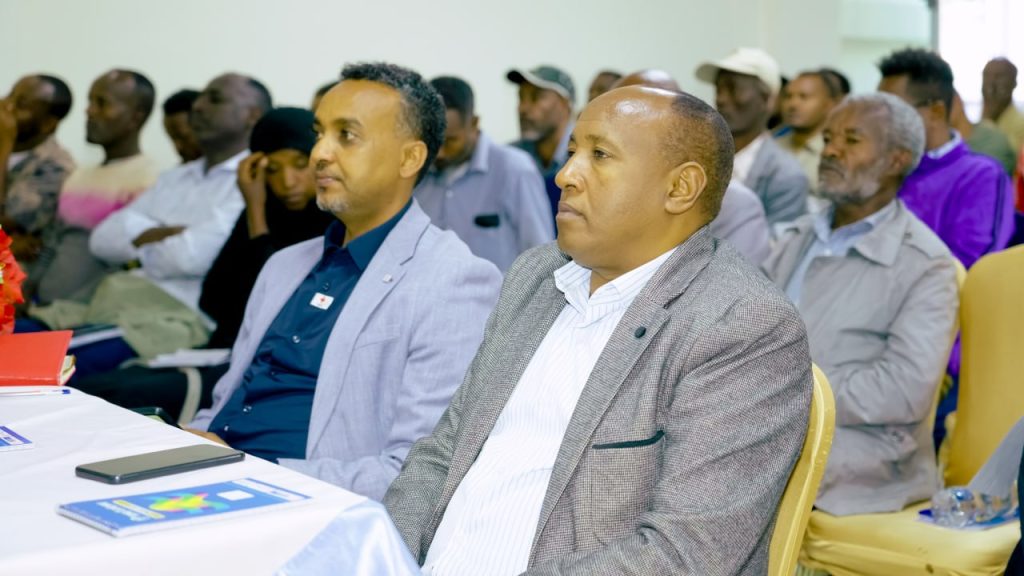
The Ethiopian Red Cross Society, in partnership with the Austrian Red Cross and with funding support from the Austrian Development Agency, has launched the Transforming Emergency and Recovery Support for Future Advancement (TESFA) project on May 14, 2026, in Dessie town.
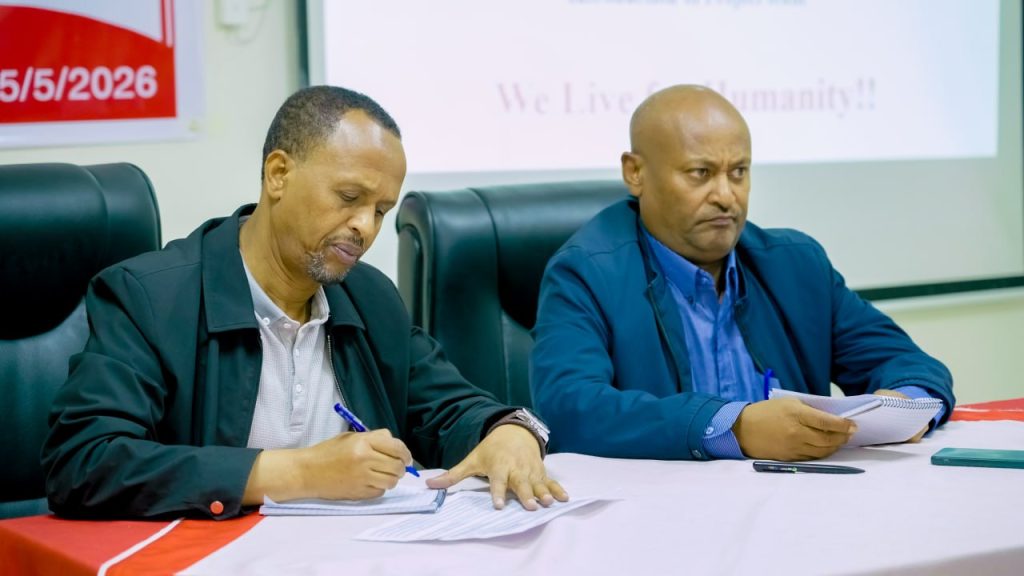
The two-year humanitarian and recovery project will be implemented in Borena and Mekdela districts of South Wollo Zone, as well as Meket and Gashena districts of North Wollo Zone in the Amhara Region. The project aims to increase equitable access to life-saving assistance and recovery support for communities affected by conflict, climate-related crises, displacement, and economic hardship.
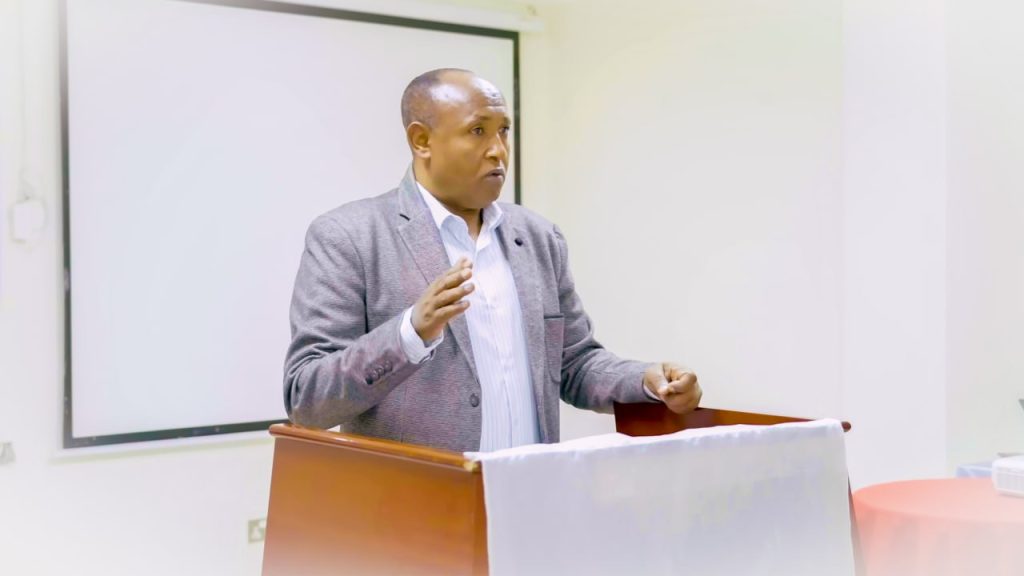
Speaking at the project kick-off event, Dires Desyibelew, ERCS Deputy Secretary General for Programs, emphasized that the Amhara Region continues to face chronic and persistent humanitarian challenges caused by prolonged conflict, climate shocks, drought, disease outbreaks, and repeated emergencies.
“North and South Wollo were among the areas heavily affected by the northern conflict and many communities have not yet recovered,” he said. “The destruction of infrastructure, limited access to clean water and health services, loss of livelihoods, and psychological pressures continue to affect vulnerable communities.”
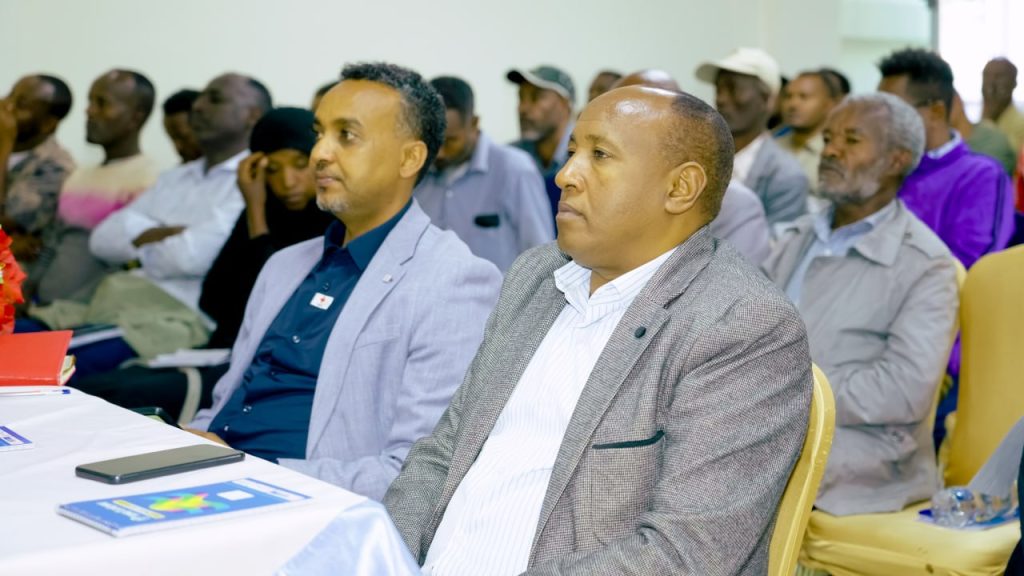
He explained that the Ethiopian Red Cross Society has been responding to these humanitarian needs through water, sanitation and hygiene (WaSH) interventions, emergency food assistance, medical support, rehabilitation of damaged health facilities, cash assistance for displaced populations, and strengthened 24-hour ambulance services.
According to Mr. Dires, the TESFA project will directly benefit more than 106,000 people, with women representing 60 percent of the total beneficiaries. The project has a total budget of 1.1 million Euros, equivalent to more than 200 million Birr.
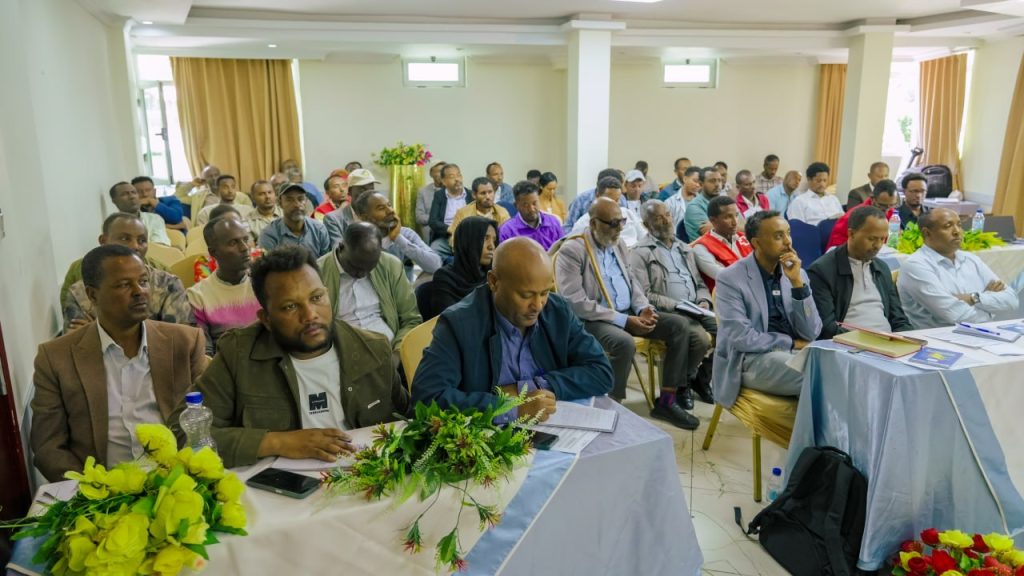
“We are grateful to the Austrian government and people for understanding the humanitarian needs in this area and providing the support needed to implement this project,” he added.
He further noted that the project goes beyond emergency response by integrating long-term recovery and resilience-building activities. The project includes the establishment and strengthening of self-help groups for vulnerable populations, livelihood support, Emergency Medical Services (EMS), mental health and psychosocial support, as well as gender and inclusion-focused interventions.
Mr. Dires also stressed the importance of strong coordination among government institutions, sector offices, and communities to ensure effective implementation, efficient resource utilization, and sustainability of project outcomes.
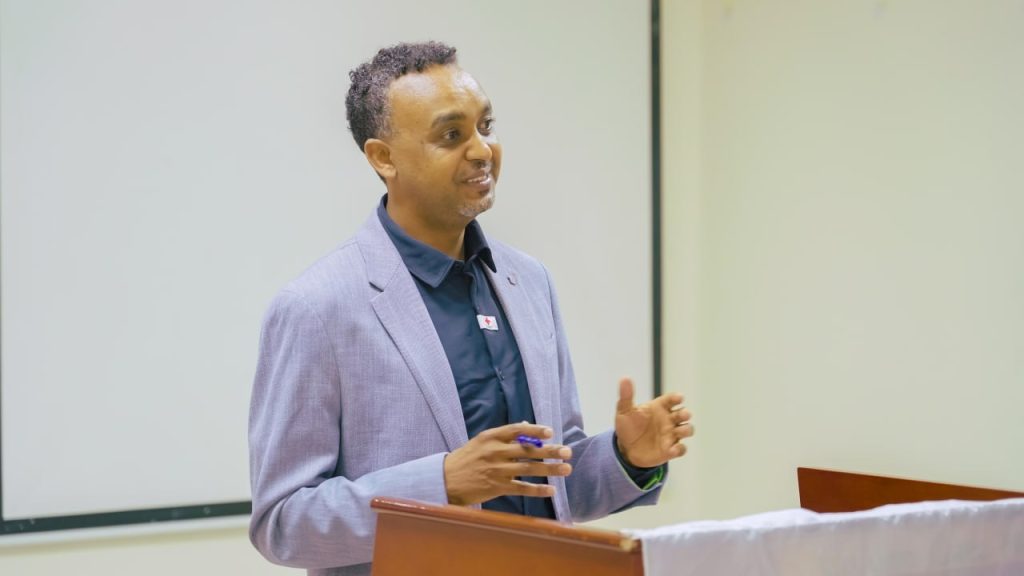
Representing the Austrian Red Cross, Temesgen Abebe, Country Representative of the Austrian Red Cross in Ethiopia, highlighted the long-standing partnership between the Austrian Red Cross and the Ethiopian Red Cross Society, which has continued for nearly 18 years.
He stated that the TESFA project focuses on key humanitarian sectors including Emergency Medical Services, WaSH, and livelihood support programs.
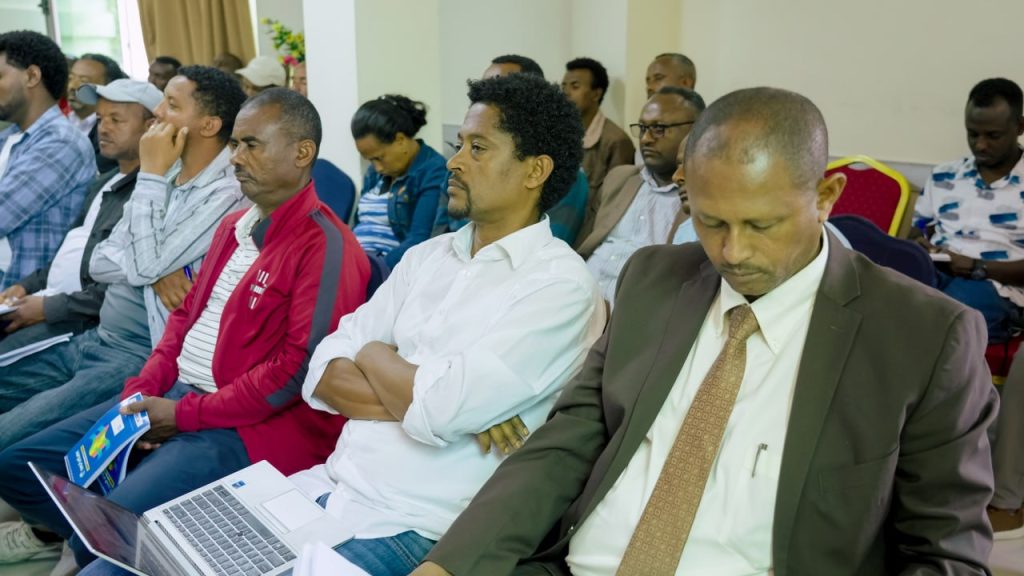
“In the past two years alone, we have mobilized 2.9 million euros – nearly half a billion birr – reaching more than 250,000 people directly in the two zones,” he said.
Mr. Temesgen emphasized that the ultimate goal of the partnership is not to create dependency, but to support communities in becoming self-reliant and resilient.
“Our objective is to create a community that can stand on its own by transforming mindsets and strengthening local capacities,” he noted, calling on all stakeholders to contribute toward helping at least 6,000 targeted beneficiaries permanently transition out of dependency on assistance.
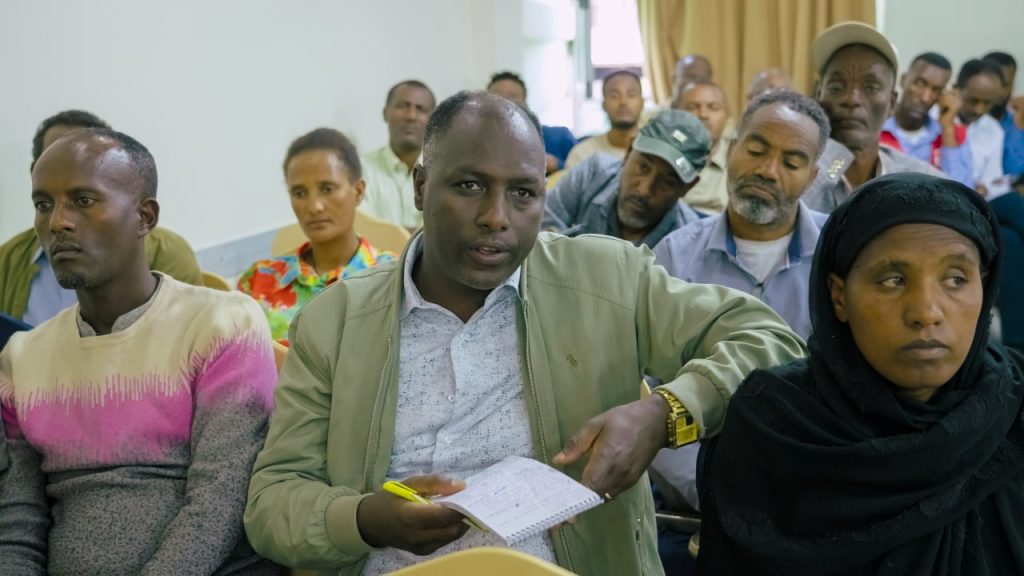
The project includes thematic intervention areas such as multipurpose cash assistance, livelihood recovery, WaSH services, Emergency Medical Services, Mental Health and Psychosocial Support (MHPSS), Protection, Gender, and Inclusion. Presentations on planned activities under each thematic area were delivered and discussed with participants during the event.
Participants welcomed the project and expressed their readiness to support the its successful implementation. They noted that the intervention would provide much-needed relief to communities facing multiple hardships and praised the project’s strong focus on women and vulnerable groups.
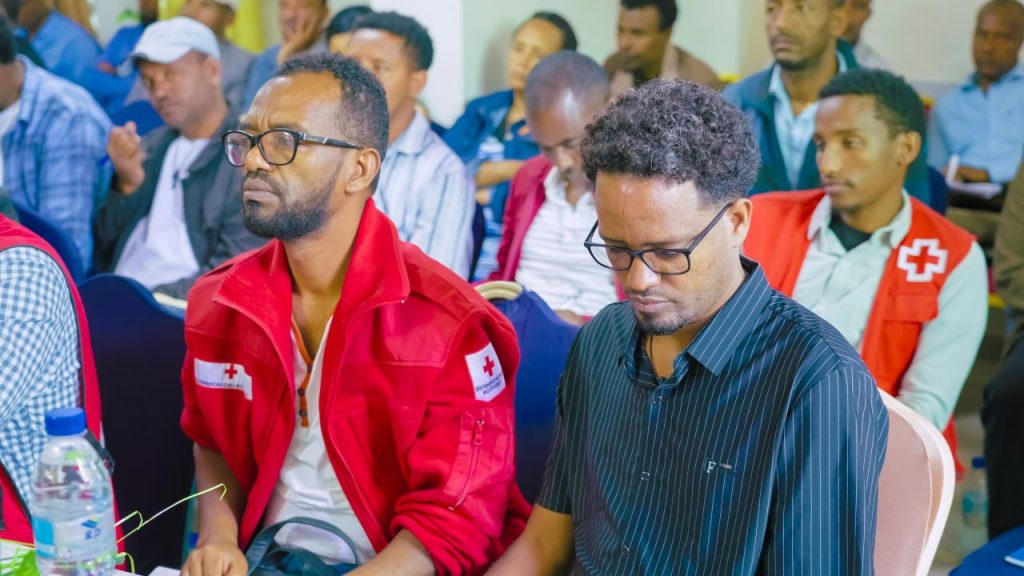
“The self-help group approach has not only empowered women economically, but also strengthened social cohesion within communities,” one participant noted during the discussion.
Responding to comments raised during the session, officials from the Ethiopian Red Cross Society underlined the importance of sustainability and stakeholder ownership. They also highlighted fuel shortages as one of the major operational challenges affecting humanitarian services and called for government support in addressing the issue.
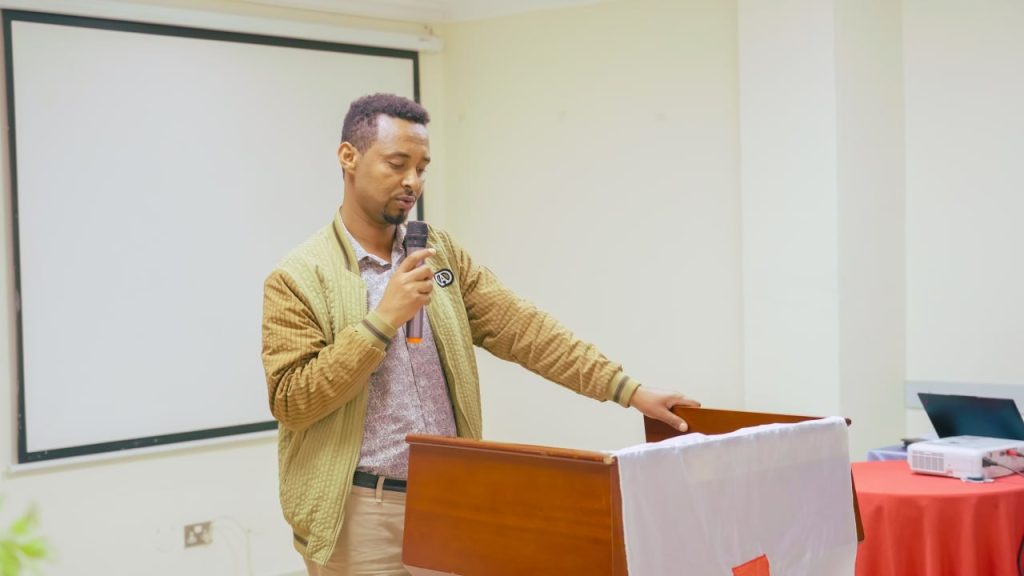
In his remarks, Endris Yimam Seid, Board Chairman of the ERCS South Wollo Zone Branch Office, reminded participants that the success and sustainability of the TESFA project depend on the active engagement and commitment of government stakeholders, community structures, and partners.
“Your participation here today is very important because government stakeholders and community structures are the key owners of the project outputs and outcomes,” he said. “Your commitment, coordination, and active engagement will determine the sustainability and success of this project for the benefit of our communities.”
We Live for Humanity!